
Comprehensive Guide to Concertina Folding Doors
Choosing the right concertina folding doors
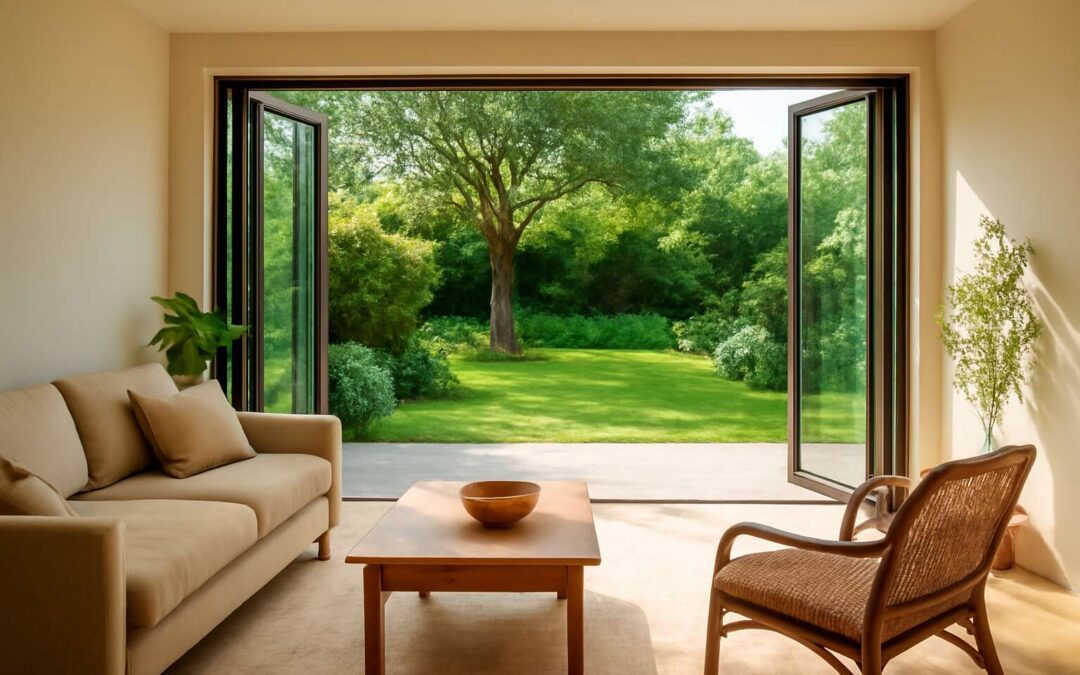
SA homes crave seamless indoor-outdoor living! A recent SA survey found 64% of homeowners want more natural light and flexible space, a need that concertina folding doors meet precisely. These systems open wide to merge rooms and patios, creating a bright, porous home.
Choosing the right concertina folding doors involves matching scale, climate, and security. The right system frames views, keeps out weather, and uses sturdy hardware.
- Frame material and thermal performance
- Panel count and opening width
- Locking mechanisms and hardware quality
From coastal to inland, materials resist corrosion and maintain aesthetics. Aluminum frames with thermal breaks are common; glazing options range from clear to tinted to Low-E; hardware should balance ease of use with security.
Materials, finishes and energy efficiency
South African homes crave daylight as a driver of comfort and value—64% of homeowners want more natural light and flexible space, a demand perfectly met by concertina folding doors. The right materials and energy performance keep interiors bright while trimming bills and weather ingress, producing an open, inviting space that still respects security.
Materials and finishes shape durability in coastal and inland climates. Aluminum with thermal breaks and salt-resistant coatings resists corrosion; inland properties benefit from tougher exterior coatings and UV-stable colors.
- Powder-coated aluminum frames
- Thermally broken profiles
- Low-E or tinted glazing
Finishes choices pair with glazing to control heat and glare, boosting energy efficiency without dulling daylight. These elements collectively support a resilient, low-maintenance façade across South Africa’s diverse environments.
Design options and configurations
Daylight is a currency in South Africa, and 64% of homeowners want more of it. Concertina folding doors unlock that daylight without sacrificing wall space, turning tight rooms into airy lounges and inviting patios to merge with living areas.
Design options and configurations run from the number of panels to the direction of the stack, shaping how you live with the outdoors. Do you want a left-stack for a clean outdoor edge or a right-stack to keep the view open? The configuration influences sightlines, airflow, and how the panels fold away when you crave that seamless horizon.
- Panel counts and stacking direction
- Track options for smooth operation
- Glazing choices that soften glare
- Hardware and finishing details
With the right design, you don’t just open a door—you invite the landscape inside.
Installation, fitment, and maintenance
In South Africa, daylight is currency; 64% of homeowners crave more sun, and concertina folding doors turn tight spaces into airy rooms without surrendering wall real estate. A comprehensive guide to installation, fitment, and maintenance helps property owners navigate this transition with ease, ensuring a flawless fit that respects structural realities and local climate.
Key considerations flow from professional commissioning to ongoing service: accurate alignment, robust weather seals, and durable hardware. Regular, non-invasive inspections of tracks and glazing safeguard performance and aesthetics, keeping sightlines pristine and operation whisper-quiet.
Cost, budgeting and value
Daylight is currency in South Africa, and wallets are feeling the same squeeze. With 64% of homeowners craving more sun, concertina folding doors become the fast lane from cramped corners to airy expanses without surrendering wall real estate.
Costs vary by frame profile, span, and installation complexity. I view the upfront price as an investment that pays back in daily sunlight, improved thermal comfort, and stronger curb appeal when the property changes hands. A solid warranty and service network are the quiet profit in the deal.
Key value levers to weigh:
- Warranty coverage and after-sales reach across SA
- Long-term operating costs, maintenance needs, and parts availability
- Impact on resale value and buyer perception of daylight-centric design