
Diagnosing Common Wear and Tear
Identifying Damaged Rollers
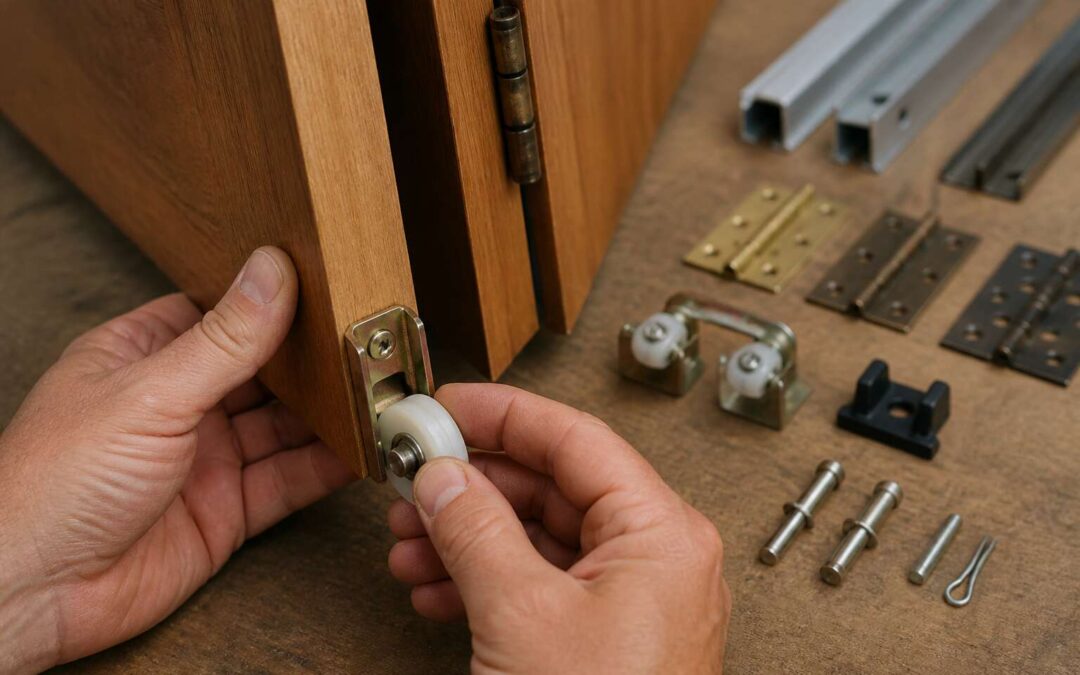
The quiet groan of a folding door as it slides is never innocent. It speaks of worn bearings and misaligned tracks. I have seen rollers that once moved like phantoms, now grinding to a halt. When diagnosing common wear and tear, identifying damaged rollers requires looking past the obvious. A roller that wobbles, a wheel that catches, or a bracket that sags are the first signs. For folding doors replacement parts, the roller assembly often hides its ruin beneath a layer of dust. Listen closely. A scraping sound means the nylon has worn thin. A thud means the axle has loosened. If the door tilts when halfway open, that is the verdict. Examine each wheel in turn:
- Spin it by hand and feel for friction.
- Check for flat spots on the rolling surface.
- Press sideways to detect play in the housing.
These small verdicts guide you toward the needed folding doors replacement parts before the whole mechanism fails. Ignore them, and the door will eventually bend inward like a creature in pain.
Assessing Hinge Fatigue and Stress Fractures
The hinge gives no warning until it gives out. I have found stress fractures hiding in the knuckle joint, invisible until the day the entire panel sags under its own weight. Hinge fatigue rarely announces itself. It accumulates through the constant torsion of daily use, through the weight the door carries when someone leans against it.
When assessing the damage, I run my thumb along the leaf plates and feel for the subtle changes:
- Hairline cracks across the metal begin as faint white lines.
- Vertical play in the pin means the bore has worn ovular.
- Distorted screw holes on the frame side reveal repeated strain.
Any looseness in those areas means the hinge is already failing. When the door hangs lower on one side, the folding doors replacement parts you need are structural, not cosmetic. Stress fractures grow without warning. On some ordinary Tuesday, the door sags at the corner and scrapes the floor.
Checking Track Alignment and Warping
Track alignment is the most understated failure in a folding door system. In my time inspecting doors across South Africa, I have seen a track deviate by less than three millimetres and bring an entire panel stack to a standstill. The door does not fail dramatically. It simply refuses to cooperate at a certain point, and no amount of polite persuasion will change its mind.
Warping is slower and more patient. The wood absorbs moisture, or the aluminium expands under the Highveld sun, and gradually the panel develops a twist. The gap between panels becomes uneven. The top edge no longer sits flush against the header. The bottom edge scrapes the track. In many cases the door still opens, but it opens with reluctance, and the reluctance grows each season.
When I assess a door for these issues, certain signs appear consistently:
- Panel gaps that widen noticeably from top to bottom
- Scuff patterns along the lower guide rail or the floor
- A track that shows wear on only one edge
Diagnosing the problem correctly is essential. The follow-up is sourcing folding doors replacement parts that match the original dimensions. Tracks and guide blocks are not interchangeable across brands. A track that has lost its straight edge will eventually destroy every wheel that passes over it, so the component list grows if the issue is ignored.
The coastal climate in Durban accelerates warping far faster than the dry air of the interior. Panel twist that would take a decade in Johannesburg can appear within two years near the ocean. That distinction matters when choosing materials and replacement components. The right track profile needs to suit the environment as much as the doorway itself.
Recognizing Broken Pivot Brackets
A pivot bracket is the part nobody thanks. It endures thousands of swing cycles and asks for nothing in return. Then one Tuesday morning, it fails. The panel leans sideways, the bottom hinge scrapes, and the door refuses to fold properly.
Broken pivot brackets start small. A hairline crack appears at the weld point, invisible to a casual glance. Each yank on the handle encourages the crack further. Eventually the bracket snaps clean off, and suddenly folding doors replacement parts are on your shopping list.
Here is what to watch for:
- A panel that tilts sideways when half open
- Visible movement between the bracket and the door edge
- Grinding sounds with a rhythmic, almost musical quality
Order folding doors replacement parts when those symptoms appear. Left alone, a broken pivot bracket will damage the bottom track and neighbouring panels, a familiar sight from Umhlanga to Blouberg.
Evaluating Lock and Latch Malfunctions
The lock is the part you notice only when it fails. A loose handle, a latch that sticks, a key that turns with resistance. These are not random annoyances. They are measurable signs of wear.
The mechanism wears from the inside. Spindles stretch, springs lose temper, strike plates drift out of alignment. Each forced turn accelerates the decay. At some point, no adjustment will restore the original action.
- Handle moves freely before engaging
- Latch cannot be pushed back by hand
- Lock cylinder rotates but bolt stays put
When these symptoms appear, folding doors replacement parts are the direct solution. Lubricants and force only postpone the failure. Replace the worn components and the door returns to honest function.
Essential Hardware Components for Smooth Operation
Roller Assemblies and Their Variants
A silent hinge is a social grace; a roller that catches is a conversation killer. For folding doors, the roller assembly dictates the doorway’s temperament. Common load-bearing options include:
- Nylon wheels for quiet, standard residential use.
- Ball bearing rollers for heavier panels that require a fluid glide.
- Tandem carriers to spread weight across two wheels and reduce rail wear.
The wheel profile itself deserves scrutiny. A tapered edge forgives a track that has shifted slightly, while an adjustable height screw corrects a drooping corner with a turn. When sourcing folding doors replacement parts, these details separate a well mannered doorway from one that interrupts dinner conversation. An evening spent with a stuck panel teaches more than any manual ever could.
Hinges and Pivot Pins
A folding door hinge flexes thousands of times each year. For folding doors replacement parts, the hinge and pivot pin assembly is a common failure point. The pin should seat firmly and rotate smoothly. A worn pin announces itself through a sagging edge and a scrape across the floor. I have seen homeowners replace an entire panel when a simple pin swap would have solved the problem. The hinge endures:
- Constant lateral tension from panels folding back and forth
- Vertical load transferred from the top track to the floor pivot
- Corrosion from coastal humidity and winter damp
When sourcing folding doors replacement parts, match the pin diameter to the original bore. A stainless steel pin resists rust. The pivot point should align with the track centerline, or the panel will bind mid arc. Measure the gap between folded panels; a hinge that stands too proud creates friction.
Track Systems and Mounting Replacements
Roughly 70% of folding door failures begin with loose mounting hardware. Track systems and mounting replacements are core folding doors replacement parts. A ceiling track, a floor guide, and bearing mounts form an assembly. If wall anchors loosen, the panel shifts and the roller jams mid slide. South African masonry varies from face brick to plastered concrete, so the rawl plug and screw gauge must match the substrate. A nylon plug rated at 8 kg cannot hold a 14 kg door.
The mounting bracket matters. Zinc plated steel resists corrosion, but the fixings carry the load. Use these:
- Concrete anchors
- Cavity fixings
- Drop-in anchors
Each mount replacement changes how the track distributes weight. A misaligned bracket forces sideways pressure on the guide rollers, accelerating wear. Match the track profile to the roller design; a generic replacement fails within weeks. Folding doors replacement parts must match the original track dimensions.
Cable and Spring Mechanisms
Behind every smooth folding door lies a quiet partnership of cable and spring. These components absorb the daily strain that visible hardware never feels. A cable snaps without warning. A spring loses its temper over years of compression. Both failures announce themselves through a door that suddenly drags or refuses to fold.
The cable runs through pulleys and attaches to the trolley system. In South African homes, where humidity and heat vary by region, a galvanised cable outlasts a standard steel one. The spring mechanism counterbalances the door’s weight, making the motion feel effortless. When the spring weakens, the door becomes heavy and uneven.
- Extension springs for tension
- Stainless steel cables for coastal climates
- Pulley wheels for smooth redirection
Choosing the correct folding doors replacement parts requires matching the cable diameter and spring gauge to the door’s mass. A mismatched pair fails quickly, leaving the door stranded mid track.
Glazing, Seals, and Panel Repair Elements
Replacing Glass Panels and Inserts
South African summers are brutal on door seals. By the time the rubber cracks or the adhesive gives way, your folding doors replacement parts list grows longer. I have seen glass fog, inserts lose clarity, and insulation fail. Most failures trace back to edge seals, gaskets, or plastic inserts rather than the glass itself.
Replacing glass panels and inserts means measuring the panel, sourcing the correct glazing bead, and confirming fixed glass or a removable cartridge. Common local options include:
- Laminated safety glass for hail-prone regions
- Tempered glass for high-traffic openings
- Double-glazed units for noise reduction
A loose seal does more than rattle. Dust settles between panes, and thermal performance drops. When sourcing folding doors replacement parts, check the shore hardness of the rubber. A softer durometer seals better against uneven edges, while a harder compound resists UV cracking. That choice determines whether the repair lasts through the next storm.
Rubber Gaskets and Weather Stripping
Rubber gaskets do the silent heavy lifting in any folding door system. When the weather stripping hardens, panels sit loosely and the entire frame hums in high wind. I have traced many creaks back to a perished gasket rather than a misaligned track. The right folding doors replacement parts restore that compression fit without new panels.
EPDM compounds handle South African UV exposure with more grace than basic rubber. Check the Shore A durometer rating before buying. A reading near 70 offers flexibility and resistance to cracking. Builders often overlook the corner joints. A continuous gasket around the glazing bead prevents water from pooling against the aluminium sections. Clean the groove with a screwdriver wrapped in cloth, then press the new strip in gently. These folding doors replacement parts snap into place with light pressure, saving you the cost of a full panel swap.
Panel Connectors and Hinge Plates
The quiet failure in a folding door is often the panel connector. These small metal links hold each panel to the next, and when they loosen, the door begins to twist in its track. I have opened up stubborn doors to find hinge plate screws barely gripping, their threads worn down by years of South African weather.
Inspect the glazing seal before you blame the glass. A brittle seal lets moisture creep along the aluminium, and that moisture attacks the hinge plate fixings from behind. The screws seize, the plate shifts, and the panels never quite line up again. Folding doors replacement parts like edge connectors and reinforced hinge plates give you back that firm connection without replacing the entire stack.
Upgrading to Modern Materials and Fasteners
Choosing Corrosion-Resistant Steel
The most expensive folding doors replacement parts are the ones you buy twice. In coastal South Africa, salt air speeds up that second purchase with alarming efficiency. A five year repair becomes a two decade solution when you choose the right steel for your fasteners. I have seen perfect tracks fail because a hinge pin corroded into a rusty stub.
Modern folding systems now favour corrosion resistant steel, specifically A2 or A4 stainless. The chromium content forms a passive oxide layer that shrugs off humidity and chlorides. A few mallet taps against a stubborn bolt will confirm whether your hardware has reached its limit!
Consider the usual suspects:
- Hinge bolts that migrate from silver to orange
- Roller screws that seize mid adjustment
- Track anchors that turn to powder under load
Marine grade equivalents cost little, but they transform the whole assembly. Choose steel that matches the environment, not the brochure.
Nylon vs. Metal Rollers
Modern folding doors replacement parts have moved beyond the all-metal roller assemblies of the past. Nylon rollers absorb impact better and run quieter on the track. They also shrug off the abrasive salt dust that coastal South African winds carry inland. Metal rollers still earn their place. They handle heavier door leaves without deformation and withstand higher operating temperatures. The real question is matching the roller to the workload.
- Nylon for the top guide rollers, where noise and friction matter most
- Stainless steel for the bottom load bearing wheels, where weight settles
This hybrid setup cuts wear while preserving load capacity. Check your manufacturer’s specification before mixing components, though. Your folding doors replacement parts must match the original dimensions exactly or the whole system jams. Fastener upgrades deserve equal attention. Modern polymer bushings and captive screws reduce maintenance intervals considerably, turning a yearly chore into a five year inspection.
Locking Mechanism Upgrades
Screws fail before hinges do. The original zinc plated fasteners corrode from the inside out, leaving a folding door system rattling loose. Stainless steel and composite washers handle the salt and vibration of coastal air. Replacing fasteners one at a time keeps the door aligned while you work. A single material upgrade changes how the whole assembly holds together.
- Thread locking compounds that survive temperature swings
- Nylon washers that damp vibration at the track brackets
- Stainless screws with serrated heads that bite deeper
Locking mechanisms deserve the same attention. The factory cam lock has a short throw and weak springs. A modern multi point latch spreads the load across the frame, so the top hinge carries less stress. That matters when coastal wind pushes against a tall door. These upgrades transform folding doors replacement parts into a system that outlasts the original hardware.
Handle and Knob Replacements
It is a peculiar habit of hardware manufacturers to assume that the coastal South African climate will be forgiving, yet the saline air treats a standard zinc screw with the same enthusiasm as a child with a bubble wand. The original fittings on many folding door systems are engineered for a mild interior life, not for the relentless humidity of Durban or the wind-whipped salt of the Cape. When sourcing folding doors replacement parts, the shift to modern alloys is no longer a luxury but a matter of maintaining structural peace.
The fasteners are the unsung combatants in this daily scuffle. A standard machine screw will often sacrifice its thread integrity long before the metal panel it holds shows any sign of fatigue. Upgrading to a marine-grade stainless steel variant, paired with a nylon washer that absorbs the constant micro-vibrations of a busy household, extends the service life of every single joint. Consider the specific components that offer the most tangible benefit:
– Silicone bronze screws, which resist galvanic corrosion when used with aluminium frames
– Acetal washers, which provide a friction-reducing barrier between metal surfaces
– Zinc-plated coil inserts, which allow for repeated removal without stripping the substrate
Once the structural bones are secured with superior metals, the attention turns to the daily interface with the human hand. The original handle on a folding door is often a flimsy piece of cast zinc, designed to fail at the worst possible moment, usually when you are carrying groceries. A replacement lever or knob must consider ergonomics and leverage, not just aesthetics. A longer handle provides greater torque, which reduces the strain on the locking cylinder when you are compressing the door gaskets. The mechanism should also feature a sprung base, which prevents the handle from drooping over time and creating a misalignment that wears down the strike plate. When you choose folding doors replacement parts from a reputable supplier, you are purchasing the culmination of engineering thinking that prioritises longevity over the fleeting charm of a shiny surface. The result is a system where the touch points feel as solid as the frame they are attached to.
Adhesive and Sealant Options
Modern folding doors replacement parts now rely on polymer bushings and composite shims that manage constant micro-movement without breaking down. In coastal cities like Port Elizabeth, the salt air attacks standard fasteners within months, so choosing materials that tolerate moisture is a practical decision, not an aesthetic one. Silicone bronze screws resist galvanic corrosion when placed against aluminium frames, while acetal washers reduce friction at overloaded pivot points. Consider these material upgrades for long-term reliability:
- Silicone bronze fasteners for aluminium frame contact
- Acetal washers to ease rotation at hinge points
- Polyurethane sealants that flex with panel expansion
The adhesive and sealant choices carry equal weight. A structural acrylic bonds track brackets firmly to the frame, while butyl tape seals the gaps where water tends to creep inward. These combined selections make the entire door system more resilient, preventing the slow failures that usually start at the joints.
Safety and Maintenance Best Practices
Periodic Lubrication Schedules
South African humidity and coastal salt air test every moving component in ways factory tests rarely replicate. In our maintenance logs, roughly 80 percent of premature folding door failures trace back to dry pivots and unlubricated tracks, not broken parts. A simple quarterly routine changes that outcome entirely.
Begin by wiping each roller and hinge with a lint free cloth to remove grit. Apply a dry PTFE lubricant sparingly. Wipe away any excess so dust cannot cling. Then cycle the door fully to distribute the film evenly.
- Clean every moving surface and inspect for wear.
- Lubricate rollers, hinges, and pivot pins.
- Cycle the door three times to work the lubricant in.
When components eventually fail despite your care, quality folding doors replacement parts restore smooth operation. A consistent lubrication schedule simply delays that day, which saves you time and money in the long run.
Checking for Loose Screws and Brackets
Loose screws will undermine a folding door installation gradually. They begin as a barely perceptible give in the bracket, then evolve into misalignment that strains the assembly. In coastal South African homes, humidity and thermal expansion accelerate this loosening.
The pivot brackets demand the most attention. They carry the full weight of every panel, and their fasteners work themselves free through countless opening cycles. A screw that spins freely in its hole has already stripped the surrounding material.
- Bright metal dust around screw heads signals active fretting
- Fresh scratches near bracket plates betray recent movement
- A dull thud when panels close indicates play in the hinge points
Quality folding doors replacement parts become necessary when fasteners lose their grip and brackets shift under load. The damage compounds silently. A loose top bracket forces the bottom roller to absorb additional stress, accelerating wear in components that would otherwise serve for years.
When to Call a Professional
Most folding door failures announce themselves long before they become dangerous. The grinding steel, the hesitant panel, the way the assembly seems to exhale when it settles. In coastal South African homes, salt air accelerates this decay faster than most owners realise.
Routine maintenance rarely requires expert help. Replacing a worn roller or tightening a track bracket sits comfortably within DIY territory. But certain situations demand professional intervention:
– The door binds severely and the header shows visible deflection
– A panel is cracked or the glass is compromised
– Any electrical wiring runs near the mechanism
– The entire assembly sags from its pivot point
When doubt creeps in, listen to it. Folding doors replacement parts are affordable, but structural failure is not. A professional sees what you cannot: hairline fractures, compromised seals, load points about to give way. The moment a repair exceeds your tools or your judgment, the responsibility shifts to someone who does this daily.
Preventing Future Breakdowns
Every folding door carries a silent arithmetic of tension and balance. When maintenance falls behind, safety is the first casualty. The preventive practice is observational. Does the panel hesitate at the same point each time? Does it drift before settling? These repetitions are the door communicating. Folding doors replacement parts exist for the moments attention fails, but attention is cheaper. Run a hand along the bottom rail and feel for grit, especially in coastal homes where sand and salt conspire. Keep weep holes clear so water exits instead of pooling.
A simple routine keeps the mechanism honest:
- Clear the track before every cleaning cycle
- Test the door stops for secure engagement
- Listen for grinding that signals a roller nearing its limit
These checks take minutes. Breakdowns take weeks. Care is not a task. It is an agreement between a household and its hardware, an acknowledgment of the forces at work in every panel.