
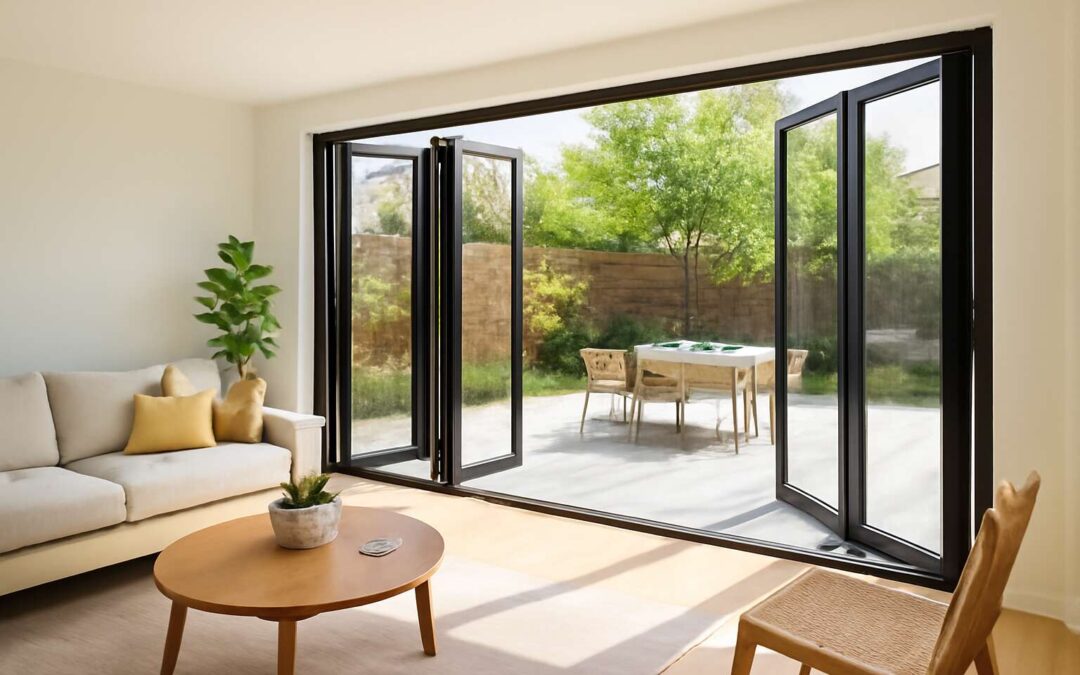
Planning and design considerations
Assessing space and opening dimensions
Across South Africa, energy efficiency begins at the doorway. In many homes, a misfit opening leaks more heat than a draft, hiking bills and dulling light. how to install aluminium folding doors isn’t just a task for the carpenter; it’s a design decision that can transform a façade into a living space. I’ve watched spaces awaken when the door line breathes with the room!
Planning and design considerations begin with space. Assessing space and opening dimensions demands a quieter eye than the eye-level glare of a showroom. I measure not just width and height, but the rhythm of traffic, furniture footprints, and the way the panels will stack when opened.
- opening width and clearance for panels
- stacking area and doorway reveal
- threshold height and sill alignment
These notes inform the silhouette of the installation, ensuring the folding mechanism breathes with the room rather than fighting it.
Choosing the right aluminium folding door system
Across South Africa, a doorway does more than close a space; it defines how a home breathes. Heat leaks disappear when the line between outside and inside is honest. For many homes, doors account for up to 30% of heating loss. how to install aluminium folding doors is not just a task—it’s a design conversation shaping light and flow.
Choosing the right aluminium folding door system demands a quieter eye on design: consider the door’s rhythm with the room, how panels stack, and how weather seals respond to coastal winds.
- Frame profile and thermal breaks
- Glass options and solar gain
- Hardware durability and maintenance needs
Material choices should echo the façade—aluminium with a slim profile can vanish into the architecture while delivering security. The right system balances load, climate, and lifestyle, turning a door into more than a barrier—a living edge that expands a room toward the garden.
Aesthetics and finishes options
Sixty percent of home buyers in SA say doors influence value more than paint, so your folding system is as much about curb appeal as function. When planning aesthetics, treat the door as a design lens that frames light and lines with the façade. How you frame it, finishes you pick, and the profile shape the room’s mood.
Finish options to consider include a range of palettes and textures that hold up to SA sun and salt air.
- Powder-coated colours for weather resilience and a modern silhouette
- Anodised finishes that age gracefully in coastal winds
- Wood-look laminates or foils for warmth without maintenance
- Matte or satin textures to reduce glare and add tactility
For those curious how to install aluminium folding doors, matching hardware to the finish is part of the design conversation. In SA, coastal breezes reward sleek profiles and quiet seals.
Energy efficiency and glazing choices
Sixty percent of home buyers in SA say doors influence value more than paint, so your planning lens should be door-shaped. When you map space and light, the folding system becomes a design feature that frames scenes and moods—from sunrise to air-conditioning-silent evenings.
Energy efficiency hinges on glazing choices. Opt for low-E coatings and insulating gaps to curb heat, glare, and cooling loads without dulling the view. In coastal SA, laminated or tempered glass paired with a robust frame helps resist salt spray and windy gusts. For those curious how to install aluminium folding doors, the glazing strategy matters as much as the frame.
Planning considerations deserve equal weight: orientation to catch or dodge sun, structural compatibility with existing openings, and hardware finishes that weather SA breezes. A simple checklist can guide conversations:
- Sun exposure and glare management
- Frame compatibility and seal longevity
- Glass safety ratings and maintenance needs
Budgeting, scheduling and project scope
If you’ve ever whispered the question how to install aluminium folding doors, you’re not alone. Planning shapes the space before the hinge sings, and a verse of budget and timing keeps the project from wandering like a stray breeze.
Budgeting, scheduling and project scope form the spine of a confident install. It’s not about guessing; it’s about mapping procurement, labor, and contingencies so that every actor knows their cue.
- Budget envelopes and contingencies that withstand supplier price shifts
- Scheduling windows that respect weather, access, and crew availability
- Clear scope for framing, glazing integration, hardware, and finishes
In the SA context, clarity today saves echoes of disputes tomorrow, and a well-phrased brief keeps the project singing in tune with local rhythms.
Preparation and safety
Site assessment and measurements
In learning how to install aluminium folding doors in South Africa, prep isn’t cosmetic—it’s structural. A well-timed sweep of safety and alignment can turn a daunting frame into a flawless glide. A veteran installer once whispered, “Preparation is the hinge of success,” and that line stays with me!
- PPE and safety gear ready
- Check for hidden utilities
- Secure working area and supports
Before you touch metal, stage the site: check level floors, plumbs, threshold alignment, and honest tolerances. Protect surfaces and plan drainage where needed.
Measurement discipline follows, measured against manufacturer tolerances for swing, seals, and operable panels. This focus saves time and averts gaps that undermine security and weather performance.
Tools, equipment and safety gear
“Preparation is the hinge of success,” a veteran installer whispered, and it rings like a bell in the workshop. In the shadows of metal and glass, PPE and safety gear must be ready before the first cut. I keep a quiet vigil: gloves, goggles, a hard hat, hearing protection, sturdy boots, and a dust mask.
- Hard hat
- Safety goggles
- Cut-resistant gloves
- Hearing protection
- Steel-toe boots
- Dust mask or respirator
Before you touch metal, stage the site: check level floors, plumbs, threshold alignment, and honest tolerances. Protect surfaces and plan drainage where needed. In South Africa, rain or sun, the stage sets the pace for every measured turn.
Measurement discipline follows, measured against manufacturer tolerances for swing, seals, and operable panels. This focus saves time and averts gaps that undermine security and weather performance. In the dance of how to install aluminium folding doors, each fraction of a millimetre writes a quiet, dark note.
Permits, building regulations and approvals
Permit delays derail many SA renovations, turning a straightforward fit-out into a waiting game. “Preparation is the hinge of success,” a veteran installer whispers, and that truth rings louder when the first panel edges close. In this quiet forge, every decision must align before a single cut.
National Building Regulations, SANS 10400, and local authorities govern openings like these. Permits, plans, and basic structural checks ensure water and wind stay out and loads stay balanced. Securing approvals is part of the discipline—this is crucial to how to install aluminium folding doors properly.
Consider this essential compliance checklist:
- Local authority permit applications
- Plans and approvals on file
- Structural assessment if load paths change
- Contractor compliance with building plans
These steps keep the project compliant with SA norms and ready for the reveal.
Hiring options: DIY vs professional installers
One SA project supervisor whispered: “Measure twice, cut once”—and that’s the ethic here. When you learn how to install aluminium folding doors, you’re not just lining up panels; you’re schooling wind, water and weight to a single, hopeful hinge. Preparation and safety are the quiet arithmetic that keeps the frame honest and the reveal pristine.
Hiring options hinge on confidence, budget and liability. Here are common routes:
- DIY with a reputable guide and proper safety diligence
- Certified local contractor with references and insurance
- Specialist folding-door installer who understands wind loads
In the end, the door opens to your design and your discipline. The choice to DIY or hire a pro should rest on the balance of protection, timing and the promise of a flawless seal.
Frame, track installation and alignment
Installing the frame and track system
Across South Africa, a properly sealed aluminium folding door can trim energy loss by up to 40%, turning rooms into sunlit sanctuaries. The frame and track are not mere hardware; they are the spine that holds light, air, and weather in balance. When the frame sits true and the track accepts each panel with whisper-soft ease, the whole façade seems to breathe.
For those wondering how to install aluminium folding doors, the frame should be square and plumb, with a level track. Fixings vary by wall type, and shims help preserve alignment as the system settles. In the South African heat and coastal humidity, even minor misalignments become obvious as doors bind or slam.
- Frame must be square and true
- Track must be level with clearances
- Seals should compress evenly for a quiet glide
Alignment isn’t magical; it’s measured and mindful, shaping how light travels through your home.
Shim and level ensuring square openings
Energy-conscious homes in South Africa win when the frame sits true. Across SA, a properly sealed aluminium folding door can trim energy loss by up to 40%, turning rooms into sunlit sanctuaries. If you’re researching how to install aluminium folding doors, focus on the frame, the track, and the quiet rhythm of light and air. The frame isn’t just a shell; it’s the spine that keeps weather out and warmth in.
Frame must be square and true, and the track must be level with the right clearances. In the South African heat and coastal humidity, even small misalignments show up as doors binding or slamming. Shim and level are not afterthoughts; they preserve alignment as the system settles, delivering a smooth, whisper-quiet glide.
- Frame square and true
- Track level with clearances
- Seals compress evenly for a quiet glide
Alignment isn’t magic; it’s measured and mindful, shaping how light travels through your home.
Securing thresholds and sills for stability
The frame is the spine of the folding door system, the anchor against South Africa’s blazing sun and sudden downpours. When the frame sits square and true, drafts retreat and daylight settles with intention. This is central to how to install aluminium folding doors and keep spaces breathable and secure.
Alongside the frame, the track must be level with proper clearances to cradle the panels in a smooth, whisper-quiet glide.
- Frame square and true
- Track level with clearances
- Seals compress evenly for a quiet glide
Alignment is measured, mindful work that shapes how light travels and air circulates. In South Africa’s coastal humidity, the thresholds and sills become guardians of stability, keeping moisture out and warmth in while the system settles.
In the end, the interplay of frame, track and thresholds writes a space that breathes—quiet, luminous, enduring.
Door panel alignment and hinge setup
South Africa’s coastal humidity greets every room like a warm, unanswered question. A door that resists the wind or leaks a draft is more than a nuisance—it unsettles comfort and energy use. If you’re curious how to install aluminium folding doors, the answer begins with alignment that listens to the house and the sun!
Frame square and true anchors the system; it is the spine against heat and rain. The track must be level, with clearances that cradle each panel in a whisper-quiet glide. When this is right, the room feels settled and daylight travels with intention.
Door panel alignment and hinge setup are the choreography that keeps light balanced and the system secure. In coastal air, tolerances matter: minor misfits become squeaks, big gaps become drafts. The aim is a harmonious relationship between panel, hinge, and frame.
Together, frame, track and hinges become a doorway that breathes—quiet, luminous and enduring.
Weather seals and drainage considerations
Coastal humidity in South Africa can push moisture through a doorway by up to 30% in peak summer, turning quiet doors into squeaking divas. The backbone is a square frame and a level track, the quiet spine that keeps heat and rain in their place.
Weather seals must breathe with the air, while drainage routes slosh away moisture rather than pooling at the sills. When the frame, track, and seals align, daylight slides in with a purposeful glow.
For those curious how to install aluminium folding doors, the dialogue between frame and track matters more than any glossy brochure.
- Weather seals designed for coastal humidity and UV exposure
- Drainage that channels water away from the threshold
- Clearance and debris management around tracks
Panel fitting, hardware and final adjustments
Hanging folding panels and test operation
Panel fitting is where precision becomes poetry. The moment the frame lies true, how to install aluminium folding doors elevates from theory to craft. South African homes demand panels that glide with authority and seal with intent, resisting Cape winds and heat. In this section, panel hanging and final alignment take center stage, turning careful measurement into confident operation that feels almost supernatural in its quiet efficiency.
Hardware and finishing touches frame the experience, balancing aesthetics and function.
-
li>Panel alignment and hinge contact are fine-tuned so faces sit flush along the stack.
- Sills and draught blockers align to keep draughts out while preserving sightlines.
li>Hardware adjustments ensure smooth, controlled movement without creak or slip.
Once the panels hang, a gentle test operation reveals the door’s character—silence, balance, and an almost otherworldly glide. In a South African setting, this is the moment when daylight floods the interior without compromise.
Installing rollers and guides
Panel fitting calls out the quiet craftsman in you—rollers and guides are the dancers, and the track is the stage. If you’re wondering how to install aluminium folding doors, start with the rollers and guides; they carry the panels with a deceptively serene glide. Set the wheels true to the track, then thread the rollers into their channels so each panel finds its natural seat without a fuss.
Hardware and final adjustments come next: tune hinge contact so faces sit flush along the stack, enforce smooth movement, and ban creaks with a confident twist of tension screws. A tidy sill line and precise weather seats seal without stealing daylight, even against Cape winds and the South African sun.
- Fine-tune roller height for even stacking
- Lock in guide anchors to prevent drift
With the rollers properly installed, a gentle test operation reveals a door that feels almost supernatural in balance—ready to flood the room with daylight and a quietly regal glide.
Fitting handles, locks and security hardware
Panel fitting isn’t just about aligning leaves; it’s the quiet heart of a folding door that vows to endure the Cape wind. For those curious how to install aluminium folding doors, the handles and security hardware set the tone—the first touch of the door’s character is in your grip and the lock that follows.
Handles and locks demand pairing with the frame and overall design, balancing ergonomics with security. Consider a blend of finishes for coastal SA climates and multi-point options that resist weather and wear.
- Ergonomic height and thumb reach
- Corrosion-resistant finishes for coastal SA climates
- Anti-lift and anti-slam features for multi-point systems
Final adjustments revolve around a confident glide and keeps-everything flush. The story of the door ends with reliable weather seals and a calm, daylight-filled room that stands up to long rural days and changing light.
Adjusting alignment and gap sealing
Cape winds routinely push door assemblies to their limits, with coastal gusts often exceeding 100 km/h during storms. That’s why how to install aluminium folding doors requires care from the first panel. Panel fitting, hinge selection and frame integration set the door’s character—durable, with a quiet, confident glide.
Panel fitting isn’t merely lining leaves; it’s a meditation on balance, and in my experience, it rewards patience. Alignments and gaps must read the same from jamb to jamb, and final adjustments should coax a seal that compresses evenly and stays flush as light shifts through the day.
- Consistent panel alignment along the full height
- Even gap sealing to prevent drafts
- Security hardware tested with smooth operation
That steady, daylight-filled room is earned in the subtle art of finishing touches.
Final checks and weatherproofing
Panel fitting isn’t just lining things up; it’s a balance act that defines the door’s glide. In SA coastal homes, you feel the difference when panels read the same from jamb to jamb, even as light shifts. That is how to install aluminium folding doors in practice, a patient craft that yields a quiet, confident seal.
Hardware and final adjustments demand attention to the tune of the set. Ensure hinges, rollers and locking hardware move smoothly and resist corrosion. The right configuration makes a space feel alive—balanced, secure and easy to operate.
- Balanced hinges and rollers for a consistent glide
- Durable, pick-resistant locks with smooth actuation
- Adjustable mounting to keep gaps uniform
Final checks and weatherproofing seal the effort: test operation across the cycle, verify drainage channels, and confirm seals compress evenly while daylight passes through without warmth leaks.
Finishing, maintenance and troubleshooting
Initial testing and performance checks
Across South Africa, a well-finished aluminium folding door glows with quiet confidence, turning a threshold into a living line between inside and out. Finishing touches—proper caulking, corrosion-resistant coatings, and neat perimeters—guard the look and longevity. It also reminds readers how to install aluminium folding doors with care; the finishing phase is where craftsmanship meets daily life, and the door seems to promise a lifetime of sunsets!
- Uniform compression along seals and gentle alignment around corners.
- Surface integrity free of chips and dust; touch ups ready if needed.
- Moving parts lightly lubricated and wiped clean for smooth operation.
Maintenance and troubleshooting arise when the doors meet the real world. Observations of wind-induced movement, creaks, or sticking along the track guide attention, while routine checks keep weather seals reliable without becoming a chore. Initial testing and performance checks after installation reveal how the system performs across openings, from light to evening shade.
Cleaning, maintenance schedule and protective finishes
Finishing is where daily life meets design. Across South Africa, a well-kept aluminium folding door exudes quiet confidence, with uniform compression along seals and gentle corner alignment. The surface stays chip-free and clean; moving parts are lightly lubricated for smooth operation. For those researching how to install aluminium folding doors, finishing sets the tone, guarding longevity.
Maintenance and cleaning keep the door performing in our climate. A simple routine—dusting, wiping seals, and inspecting gaps—helps weather-resistant finishes do their job. Regular checks protect against corrosion and keep perimeters neat, so the view remains unhindered all year.
When wind, creaks, or track friction appear, observe before reacting. Persistent trouble calls for professional eyes to safeguard door longevity in tough South African conditions.
Common installation issues and fixes
Finishing is the final spell that makes aluminium folding doors feel part of the home. Across South Africa, anodised or powder-coated surfaces resist sun and coastal air, keeping corners true and seals uniform. Finishes guard longevity and set the tone for daily life.
Maintenance keeps performance steady in our climate. A simple routine—dusting, wiping seals, and inspecting gaps—let the protective finishes do their job. Common installation issues and fixes include:
- Creaking or wind leakage around the frame
- Track friction or debris affecting smooth operation
- Misaligned panels or hinges
- Worn seals or water pooling at thresholds
When wind, creaks, or misalignment appear, observe before reacting. For stubborn trouble, call in a professional—safeguarding door longevity in South Africa’s conditions. If you’re curious how to install aluminium folding doors, finishing and maintenance become the reliable backbone of performance.
Warranty, documentation and aftercare tips
Finishing and aftercare are the quiet champions of aluminium folding doors. In South Africa’s sun and coastal air, a solid warranty and thoughtful documentation keep performance high and surprises low. If you’re curious how to install aluminium folding doors, approach it with an eye to long-term care rather than a one-off install—the right finishes and records pay dividends over time.
Warranty, documentation and aftercare tips come together to protect your investment. A clear view of what’s covered, the duration, and what constitutes a claim—plus a dry, accessible place for invoices, serial numbers and installer details—saves hassle when service is needed.
When troubleshooting stories arise, a prompt reference to service records helps guard longevity. Aftercare means periodic checks, clean conditions and noting any changes in operation so you can act in harmony with South Africa’s climate and your home’s aesthetics.