
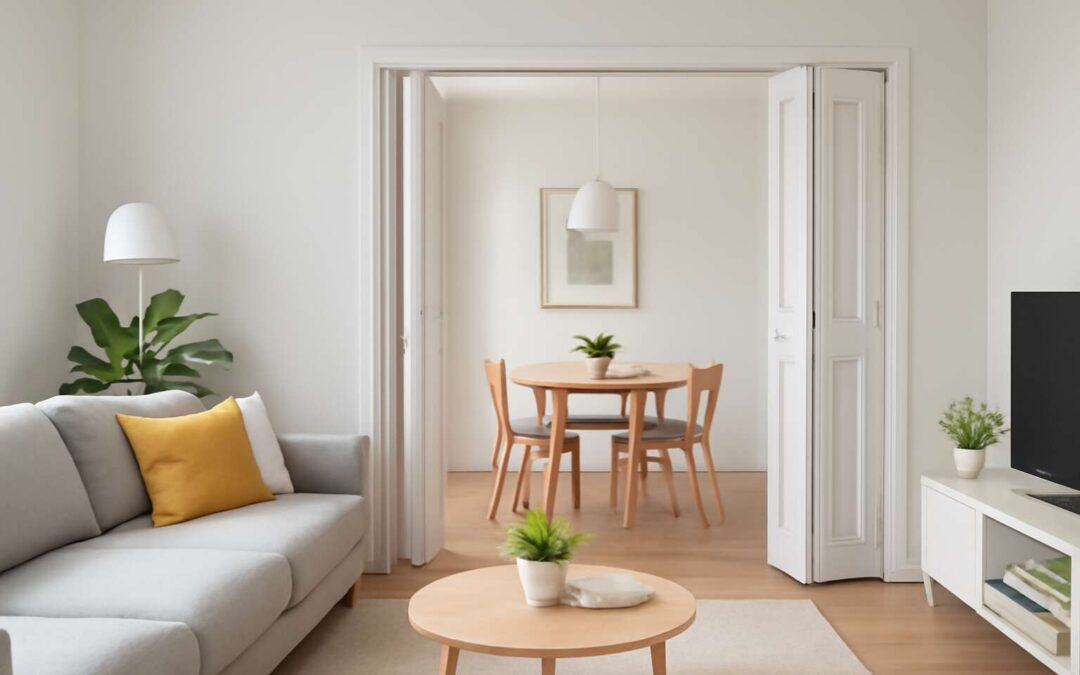
Space-Saving Design Principles for Compact Homes
Choosing Folding Doors for Small Rooms
In crowded urban flats, folding doors for small spaces reclaim up to 30% of floor area when opened, a statistic that feels almost lyrical in practice. They fuse elegance with practicality, turning tight corridors into generous transitions and letting light travel farther. The principle is simple: doors that fold away create breathing space without sacrificing style.
Space-saving design principles to guide the choice include:
- Concealed tracks and slim hardware keep sightlines clean
- Light-reflective surfaces and glass multiply daylight
- Maximized stacking efficiency—panels fold neatly along a single wall
For South African homes—from Cape Town’s sea air to Johannesburg’s urban living—the right folding doors for small spaces unlock a theatre of daily life, marrying resilience with grace and letting rooms breathe with endless possibility!
Maximizing Open Floor Plans with Bi-Fold Systems
In South Africa’s crowded urban flats, folding doors for small spaces can reclaim up to 30% of floor area when opened—a practical lyric that fills a room with light as it spills through. Dining nooks breathe again, doors sweeping away like a curtain from sunrise over the Atlantic, turning tight corridors into generous transitions!
Space-saving design principles guide the choice of bi-fold systems, balancing aesthetics with daily life. They favour invisible hardware, glass that multiplies daylight, and a single-wall stacking pattern that keeps movement fluid and open.
- Hidden tracks and streamlined fittings fade into the wall
- Clarity surfaces and glazing to multiply daylight
- One-wall stack to keep circulation generous
South African homes from coastal towns to urban dwellings embrace these principles, proving that folding doors for small spaces let rooms breathe with endless possibility while keeping resilience and grace at the heart of daily life.
Panel Configurations and Panel Counts for Tight Areas
South Africa’s urban homes measure space in daylight and air. A telling stat suggests clever panel choices can reclaim nearly 20% of floor area while preserving flow; folding doors for small spaces answer that quiet plea with elegance and restraint, turning clutter into clarity.
Space-saving design principles guide panel configurations and counts for tight areas. Invisible hardware, glazing that multiplies daylight, and a single-wall stack keep movement generous.
- Two-panel configurations for narrow openings
- Three-panel layouts for mid-sized corridors
From coastal towns to inner-city flats, these choices translate space into daily ease, with resilience and grace at the core.
Lighting and Visual Flow to Enhance Small Spaces
Space in South Africa’s compact homes sings when light runs freely and rooms breathe. A recent urban survey suggests that mindful layouts can reclaim nearly a fifth of floor space without crowding movement. Folding doors for small spaces become that breath, turning clutter into clarity with quiet confidence.
Principles guide every panel and track: scale, daylight, and a calm line that keeps sightlines generous. Lean hardware, expansive glazing, and a single-wall stack preserve flow; these choices invite air to circulate and light to travel deeper.
- Invisible hardware that disappears into the wall
- Expansive glazing to multiply daylight
- One-wall stack for uninterrupted movement
From coastlines to city blocks, the approach translates daily ease with resilience and grace, proving that folding systems in compact homes are not merely hardware but a living design language.
Types and Mechanisms of Folding Doors
Bi-Fold vs Tri-Fold: How to Choose
Folding doors for small spaces are a compact philosophy. Bi-fold and tri-fold systems share the hinge on the same idea—fold away to liberate walls—yet they behave differently. In South African homes with tight floor plans, folding doors can reclaim up to 40% more usable wall space—an argument for folding doors for small spaces. Bi-folds use two panels that stack to one side, while tri-folds fan out across three panels for a wider opening.
- Bi-folds use two panels that stack to one side, ideal for quick access and minimal floor-space impact.
- Tri-folds fan out across three panels for a wider opening, requiring more wall length to stack.
Mechanisms vary: track placements, pocket-ready options, and features like soft-close and weather seals. Weight and panel size, plus preference for visible or concealed hardware, should guide your choice between Bi-Fold and Tri-Fold, so the door feels like an ally, not a complication!
Pocket and Wall-Mounted Options
In tight South Africa homes, every centimeter counts—folding doors for small spaces offer a quiet revolt against claustrophobia. Pocket-door systems vanish into wall cavities, while wall-mounted folds glide along slim tracks. The result is airier rooms and a refreshed sense of proportion. I’ve seen cramped corners loosen their grip as movement becomes a mood.
- Pocket-door systems disappear into a wall cavity, keeping floors uninterrupted.
- Wall-mounted folds hinge on visible, streamlined hardware for a modern edge.
- Trackless or low-profile tracks preserve sightlines and ease cleaning.
Options vary by concealment and hardware, shaping the room’s feel.
Mechanisms differ in track placements, pocket-ready options, soft-close, and weather seals. Weight and panel size steer performance, while a preference for concealed or visible hardware can tilt the balance from pragmatic to poetic, folding doors for small spaces should feel like allies, not obstacles.
Trackless and Low-Profile Systems
In tight South African homes, air is currency, and a door shouldn’t steal it. Trackless and low-profile folding doors redefine the footprint, proving that movement can be practical and poetic in compact interiors.
Trackless hinges glide on discreet supports, leaving floors uninterrupted and sightlines pristine.
- No floor track means easier cleaning
- Subtle hardware that reads as architecture
- Quiet, controlled opening with soft-close
Low-profile tracks hug the wall, offering nearly invisible hardware and easy cleaning. Weather seals and weight limits influence resistance to drafts, while panel size dictates how smoothly the doors fold.
Ultimately, for folding doors for small spaces, choosing between trackless and low-profile comes down to proportion and lifestyle. Where you live and how rooms breathe will tilt the balance toward openness or intimacy.
Hardware and Tracks: What to Consider
In the tiny thrones of South Africa’s homes, the hardware and track system behind folding doors is the quiet spell that makes space breathe. For folding doors for small spaces, the choice of mechanism determines whether a doorway opens like a sigh or a storm—swift, serene, and unobtrusive.
Consider the cast-iron of hardware: the pivot, roller, or concealed carriage—each whispers a different rhythm. The right track controls alignment and opening speed, while soft-close hushes the moment. Factors to surface include:
- Material and finish compatibility with your room’s aesthetic
- Hardware concealment versus visible accents
- Weight ratings and panel counts you expect in daily use
- Weather seals, maintenance needs, and cleaning access
The room holds its breath as panels drift in harmonious accord, turning a doorway into a quiet chorus between rooms.
Materials, Durability, and Maintenance
Wood, MDF, Aluminum: Pros and Cons for Small Spaces
In South Africa’s compact homes, 60% report that folding doors for small spaces boost daylight and perceived space. “Space should breathe,” says a leading SA designer, and the materials you choose decide how gracefully that breath happens. Wood, MDF, and aluminum each wear a different cape—warmth, affordability, or resilience—and their maintenance rhythms echo their personalities.
- Wood: Pros — warm ambience; Cons — needs regular sealing against humidity.
- MDF: Pros — smooth finishes, cost-effective; Cons — moisture sensitivity, scratches show.
- Aluminum: Pros — lightweight, durable, low maintenance; Cons — can feel colder and more reflective.
For SA homes where humidity and coastal air meet bustling interiors, these materials guide how long a folding door remains a trusted partner in small-space storytelling.
Finish and Coating for High-Traffic Areas
In SA, 60% of compact homes report that daylight and perceived space improve when folding doors for small spaces are used. Materials set the pace for longevity. Wood offers warmth but needs regular sealing against humidity; MDF stays smooth yet shows moisture and scratches; aluminum endures coastal air with minimal upkeep.
Durability in high-traffic zones hinges on finishes. For aluminum, powder coatings resist chips; wood benefits from moisture-resistant varnishes; MDF uses sealed veneers or melamine to mask wear.
- Powder-coated aluminum finishes
- Moisture-resistant wood varnishes
- Sealed MDF veneers
Maintenance matters. Choose coatings that resist salt spray and fingerprints, keeping folding doors for small spaces relevant in busy South African interiors.
Cleaning, Lubrication, and Long-Term Care
Materials set the tone for how folding doors for small spaces perform in real homes. Aluminum with powder coatings resists chips and coastal salt spray; wood gains warmth with moisture-resistant varnishes; MDF stays smooth behind sealed veneers or melamine.
Durability in busy zones hinges on finish choices. For small spaces, a finish that resists fingerprints and wear matters, especially under South African sun. Powder-coated aluminum endures, wood benefits from resilient varnishes, and MDF relies on sealed veneers.
Maintenance cleaning is part of style. Wipe with a soft cloth, use mild cleaners, and avoid abrasives. Salt spray and fingerprints can dull surfaces, so regular care keeps folding doors for small spaces looking sharp.
Lubrication and long-term care should be simple. Periodically lubricate tracks and hinges with a silicone-based product; check alignment; avoid harsh solvents. In time, folding doors for small spaces stay elegant and functional for years.
Resistance to Humidity and Temperature Changes
In South Africa’s sun-blasted spaces, “space is the real luxury,” a designer whispers. Material choice shapes how folding doors for small spaces age gracefully. Aluminum stays sleek under salt spray; wood exudes warmth when finished with moisture-resistant varnish; MDF stays smooth behind sealed veneers or melamine.
- Aluminium’s powder coating resists chips in coastal towns
- Wood’s varnish battles humidity without fading
Durability in tight corridors hinges on finish psychology—and on how surfaces handle heat and humidity. The doors resist fingerprints under bright SA sun; aluminum remains rigid, wood retains shape with resilient varnish, MDF relies on sealed veneers to stave off warp.
Maintenance and resilience go hand in hand. The right alignment and seal integrity set the stage for folding doors for small spaces to perform when humidity climbs or temperatures swing. Sealed veneers and corrosion-resistant hardware ensure the ensemble survives years of inland heat and coastal humidity.
Installation Tips for Tight Quarters
Measuring and Sizing for Small Rooms
In tight spaces, a slight measurement miss can turn a chic solution into a squeaky afterthought. When sizing folding doors for small spaces, accuracy is the difference between a smooth glide and a stubborn snag—especially in South African homes where style meets practicality.
Key considerations include height, width, wall depth, and clearances. Use a quick sanity-check list to confirm fit:
- Height should be checked at left, center, and right to account for uneven floors
- Width warrants measurements at the top, middle, and bottom to avoid tight corners
- Wall depth and obstructions like skirting boards or architraves can affect track placement
- Clearances for tracks and door movement ensure a drama-free opening every time
When sizing aligns with the space, the result is a doorway that opens with ease—folding doors for small spaces that balance function and flair.
Floor and Frame Prep in Limited Spaces
In compact South African homes, a mere 2 mm misalignment can turn a sleek fold into a stubborn snag. A surprising 68% of tight-space installs report track binding due to floor variance. When prepping for folding doors for small spaces, precision in level and plumb sets the tone for every glide.
- Floor flatness across the doorway affects track draw and door glide
- Wall corners must be plumb to keep panels aligned and seals intact
- Obstructions like skirting boards or architraves influence reveal and mounting points
For this compact category, floor and frame prep matters more than the flash of hardware. Visualise daily motion: doors should settle into place with a whisper, not a rasp. The right alignment reduces squeaks, improves weather seal, and preserves room aesthetics in SA homes.
DIY vs Professional Installation: When to Hire
Across South Africa, 68% of tight-space folding door installations report track binding due to floor variance. That statistic cuts straight to the heart of installation—the difference between a whispering glide and a rasp is precision, not sheen. For folding doors for small spaces, the choice between DIY and professional install is a tempo, a balance of budget, timing, and how the room presents itself.
- Budget and warranty expectations
- Access to skilled labor and timing
- Floor quirks that defy easy alignment
- Service support after installation
Whichever path you choose, the door should settle with a whisper, preserving space and serenity for years to come.
Hardware Accessibility and Safety Considerations
That 68% figure across South Africa isn’t noise—it exposes a stubborn truth: in tight spaces, the difference between a whispering glide and a rasp is hardware accessibility, something I’ve seen transform rooms!
For folding doors for small spaces, installation starts with reachable controls, floor quirks, and ensuring the opening remains graceful yet practical in everyday life.
Hardware accessibility in tight corners rewards restraint and planning.
- Position handles at reachable heights to minimise overreach.
- Choose low-profile hinges to avoid snagging fabrics or cords.
- Secure mounting points with solid backing to prevent wobble in cramped spaces.
Safety is non-negotiable in SA homes; mind pinch points, keep fingers clear, and use reputable lubricants that stay clean. With thoughtful design, these doors stay serene and safe.
Style, Color, and Customization for Small Interiors
Finishes that Make Rooms Feel Bigger
Style in a tight space is a patient conjurer, turning scarce square footage into a theater of possibility. For folding doors for small spaces, lean, uninterrupted lines—flush frames, minimal hardware, and matte textures—allow rooms to breathe rather than press in on their inhabitants.
Color becomes the narrative you choose in a modest footprint. Light hues reflect daylight and soften edges, while deeper accents heighten contrast without crowding corners. Subtle glass panels can blur boundaries and extend the look of space into adjoining rooms.
Customization is a secret passage. Finishes, profiles, and textures can tailor these doors to fit your scheme, so they harmonize with antique wood, urban metal, or contemporary composites. Consider these elements:
- Finish options that echo South Africa’s light—warm timber or cool aluminum
- Glass choices and frosted patterns to modulate brightness
- Hardware shapes and colorways to complement surrounding décor
Hardware Styling and Modern Aesthetics
Small spaces crave air, not obstruction—it’s the only place where a door can vanish. Style here is about lean, uninterrupted lines: flush frames, minimal hardware, matte textures that let light roam rather than collide with corners. For folding doors for small spaces, quiet silhouettes do the heavy lifting, turning hallways into stages for living.
Color is the narrative you draft in a modest footprint. Light hues bounce daylight and soften edges; deeper accents sharpen contrast without crowding corners. Subtle glass panels can blur thresholds, extending the sense of space into adjoining rooms.
Customization is a secret passage. Finishes, profiles, and textures tailor these doors to your scheme, so they harmonize with antique wood, urban metal, or contemporary composites.
- Finish options that echo South Africa’s light—warm timber or cool aluminum
- Glass choices and frosted patterns to modulate brightness
- Hardware shapes and colorways to complement surrounding décor
Custom Sizing and Decorative Glass Options
Style in compact spaces means lean lines and a door that seems to vanish. Flush frames and minimal hardware let light roam rather than collide with corners. For folding doors for small spaces, style is the quiet act of removing obstruction and opening the way.
Color is the narrative drafted in a modest footprint. Light hues bounce daylight and soften edges; deeper accents sharpen contrast without crowding corners. Subtle glass panels blur thresholds and extend the sense of space into adjoining rooms. Finish options echo South Africa’s light—warm timber or cool aluminum.
- Frosted glass options
- Clear or tinted glass
- Textured or patterned glass
Customization is a secret passage. Finishes, profiles, and textures tailor these doors to your scheme, so they harmonize with antique wood, urban metal, or contemporary composites. In Small Interiors Custom Sizing and Decorative Glass Options, you pick precise dimensions and decorative glass options to suit every room.