
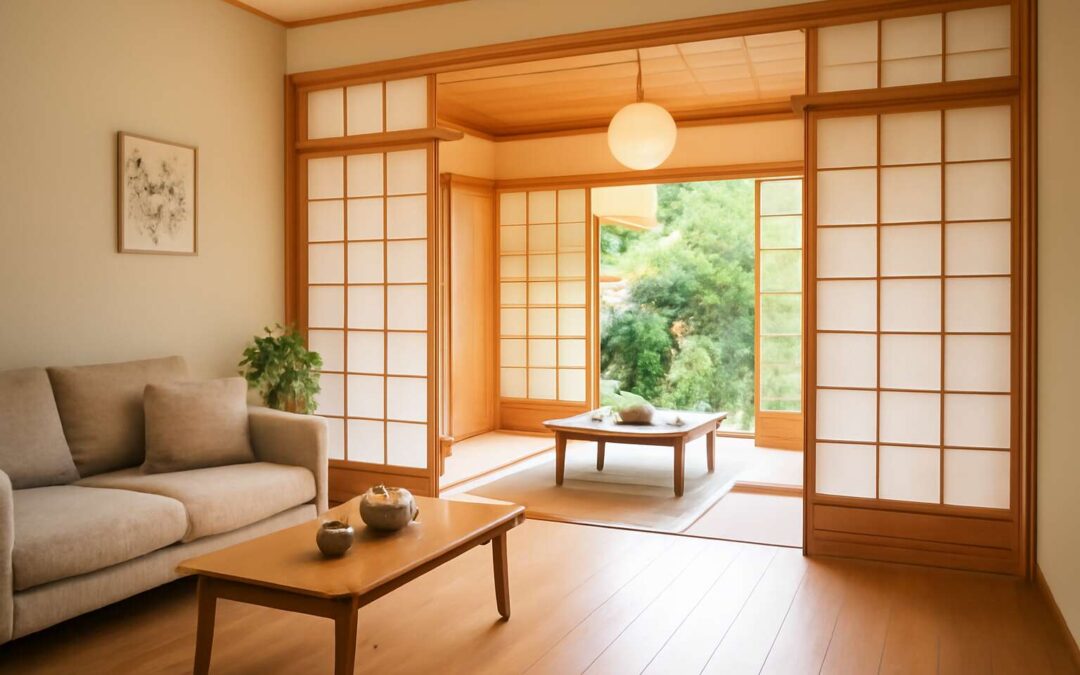
Japanese interior folding doors: concepts and planning
Overview and cultural context
Folding doors japanese embody a quiet revolution in interior space, where light threads through partitions like silk. One panel can reframe a room and turn everyday motion into design. “Space is conversation,” a designer once told me, and these doors translate that talking into tactility.
In planning such doors, consider how Japanese design tends to coax a gentle boundary between rooms and outdoors. Across South Africa, where verandas meet bright interiors, folding doors become climate-aware stages for morning light, evening shade, and the rhythm of daily life. Craft, joinery, and finishes matter as much as hardware and track alignment. I have seen rooms breathe more freely when a soft panel slides shut with quiet authority.
- opening proportions that frame light and shadow
- textures and finishes suited to South Africa’s climate
- tracking systems and hardware chosen for longevity
Styles and design variations
“Light is the architect,” a Cape Town designer reminds me, and folding doors japanese translate that creed into tactile panels that bend light and air into your rooms.
Concepts and planning: opening proportions that frame light and shadow connect indoors with the outdoors; textures and finishes must withstand South Africa’s sun and humidity; tracking systems and hardware are chosen for longevity and quiet operation.
Styles and design variations for folding doors japanese include:
- Shoji-inspired translucent panels for diffuse light
- Timber frames with charcoal finishes for a contemporary SA home
- Flush-to-wall systems with concealed tracks for minimal seams
Materials construction and durability
Light is not a garnish; it’s architecture that decides how a room breathes. folding doors japanese guide daylight and air, turning walls into thresholds and interiors into outdoor rooms. Planning begins with opening proportions that frame light and shadow.
In SA, materials must endure sun and humidity without losing grace.
- Frames: timber with protective coatings
- Panels: shoji-like translucence or tempered glass
- Hardware: stainless steel, concealed tracks
These choices support durability and quiet operation.
Durability is a design discipline; when done with restraint, these elements fuse interior life with the yard, creating a living corridor of shade and light.
Installation sizing and maintenance
A room that breathes sells more than square footage; daylight becomes your interior designer. folding doors japanese turn walls into thresholds, inviting sun, breeze, and a little drama from the yard to the lounge.
Concepts and planning revolve around opening proportions, sightlines, and furniture choreography. Consider how the panel stackings will frame light, protect privacy, and connect with outdoor spaces. In South Africa, the climate rewards an airy transition that can weather sun and humidity without losing grace.
- Opening proportions that frame light and views
- Frame and glazing choices that balance opacity and translucence
- Track, hardware, and mounting compatibility for quiet operation
Installation sizing and maintenance: size the system for your wall envelope, account for panel weight and stack length, and select weather seals suited to local sun. In the long run, regular care—gentle cleaning of tracks, lubrication, and hinge checks—keeps folding doors japanese behaving like a well-oiled poem.