
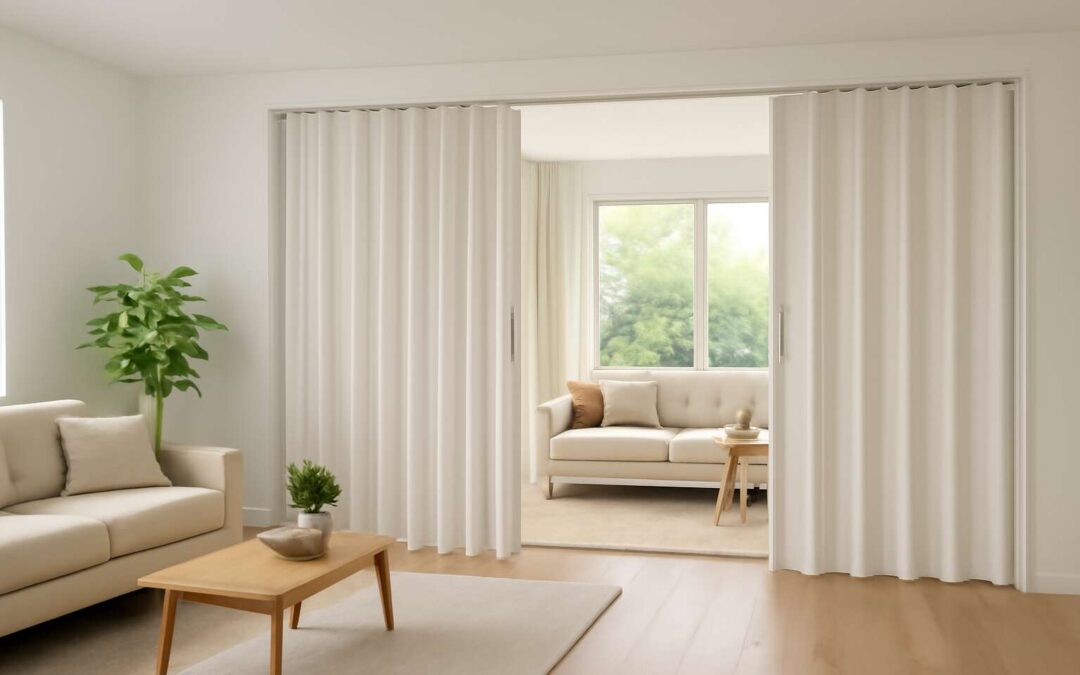
Understanding folding doors as room dividers
What is a folding door system for room division
Space is currency in South Africa’s bustling homes, and a folding doors room divider can stretch it further. This simple concept reshapes living spaces in moments, turning open plan into private corner with a glide. ‘A moving wall changes a room’s mood,’ designers often whisper. What a shift!
A folding door system for room division uses linked panels that fold along tracks to reconfigure layouts without major renovations. Materials range from aluminium to timber, balancing durability with coastal SA aesthetics.
- Space-saving flexibility for living areas
- Natural light and airflow control
- Quiet operation and durable hardware
In homes, offices, or boutique spaces across SA, these systems offer adaptable privacy without sacrificing warmth. Their clean lines and tactile finishes invite a subtle drama into daily routines.
A well-chosen system becomes part of the home’s heartbeat, ready to reveal a different room in an instant.
Key benefits for space separation and privacy
Space is currency in SA homes, and the right move can stretch it further. “Light and privacy can glide together,” a local design voice insists, while a survey shows 30% of urban South Africans prize adaptable layouts for daily life.
Understanding folding doors as room dividers reveals key benefits for space separation and privacy without heavy renovations. A folding doors room divider acts as a moving wall, shifting mood with a touch of elegance.
- Space separation without sacrificing openness
- Natural light and airflow control
- Quiet operation and durable hardware
Crafted in aluminium or timber, these systems suit coastal SA aesthetics, offering clean lines and tactile finishes. In homes, offices, or boutique spaces, they adapt privacy without warmth loss, helping rooms reveal a different character in an instant.
Common configurations and panel counts
Urban South Africa thrives on daylight and flexible layouts. A recent survey indicates 38% of city dwellers prize adaptable interiors that can shift with daily life. Folding doors room divider options offer a nuanced balance between openness and privacy. They turn a single space into multiple moods with quiet elegance!
Understanding them expands the idea beyond partitioning. They act as movable walls, shaping light, air, and acoustics while preserving warmth. In coastal homes, aluminium frames edge toward a crisp, enduring finish; timber options bring texture and warmth to a living area or studio.
Common configurations and panel counts include:
- 2-panel bi-fold
- 3-panel mid-fold
- 4-panel concertina
- 5-panel large-span
When to choose folding doors over a fixed wall
South Africa’s sunlit rooms love a little theatre. In urban homes across Cape Town and Johannesburg, adaptable interiors are no longer a luxury but a survival skill. A recent survey puts the appetite for flexible living at a notable figure, reminding us that space should breathe as easily as coffee in a mug. Flexible room configurations offer quiet elegance with the push of a panel and the pull of possibility.
A folding doors room divider can be the compromise between openness and enclosure, especially in smaller flats where walls feel punitive. If you value daylight, airflow, and occasional privacy without rebuilding ceilings, this option often beats a fixed wall. Material choices—from crisp aluminium to warm timber—shape acoustics and ambience as surely as hinges shape movement.
Impact on light flow and acoustics
South Africa’s sunlit homes crave spaces that breathe. A recent urban survey reports that 68% of Capetonians and Joburgers want adaptable interiors that fold boundaries without breaking daylight. A folding doors room divider steps into that need with theatre-luxe motion, letting rooms open and close like a well-timed act.
Light flows through panels with careful framing—think slim profiles, glass panels, and judicious gaps that invite sun to travel deeper into the home. The result is a space that feels larger, not louder, when the panels peel back. Acoustic effects hinge on material choices; timber softens clatter while aluminium keeps a crisp edge, especially as panels move to mute footsteps and dialogue.
- Light is shared evenly across spaces, reducing harsh shadows
- Air moves with the changing panel positions, fostering comfort
- Privacy levels are adjustable via partial closures
As a flexible divider, it becomes a designer’s ally—an element that performs like a curtain and behaves like a wall. When daylight and quiet coexist, the room feels hospitable, not boxed in.
Design trends and options for folding doors used as room dividers
Aesthetic styles for modern interiors
South African homes are rediscovering space as a design asset. Across cities, folding doors room divider systems redefine how rooms communicate—opening up, then retreating into quiet corners. “Flexibility is the new luxury,” a local designer notes, and the impulse is here to stay.
Design trends tilt toward clean lines, natural textures, and light-enhancing panels. Aesthetic styles for modern interiors include minimal Nordic-inspired frames, warm timber accents, and frameless glass for an almost invisible boundary. Here are options:
- Materials: timber, glass, aluminum
- Finishes: matte black, brushed brass, satin white
- Hardware: recessed tracks, soft-close mechanisms, flush-mounted handles
In South Africa, these choices let light flow and space adapt to changing needs without shouting for attention.
Color, finish, and texture options
A folding doors room divider approach is transforming how daylight moves through South African homes. Daylight-forward layouts can cut artificial lighting by up to 40% in open-plan spaces. A local designer notes, ‘Flexibility is the new luxury,’ and that impulse is reshaping interiors from Cape Town to Joburg. These systems invite social flow while preserving intimate corners, turning passage into a moment of controlled transparency.
Design trends tilt toward clean lines, natural textures, and light-enhancing panels. Color, finish, and texture options include:
- Color: satin white, matte black, warm timber
- Finish: brushed brass, powder-coated graphite, clear anodized aluminum
- Texture: timber grain, frosted glass, smooth matte surfaces
Panel materials and their visual impact
Sunlight is a mercurial ally in South African homes; daylight-forward layouts can cut artificial lighting by up to 40%. A folding doors room divider is more than a boundary—it’s a choreography of shade and brightness, a corridor that lets conversations drift yet keeps intimate corners intact. Clean lines meet natural textures, turning movement into a living sculpture that shifts with the day and the mood of the room.
- Timber panels with visible grain for warmth and tactility
- Frosted glass panels that diffuse light while preserving privacy
- Powder-coated aluminum or clear anodized finishes for a sleek, contemporary edge
These materials pair with finishes and textures to create dramatic light play across spaces from Cape Town to Joburg, turning a simple folding doors room divider into a living canvas.
Glass and translucency choices
In daylight-forward interiors, sunlight becomes a designer partner, and folding doors room divider designs ride that energy like a conductor. Across South Africa, daylight can cut artificial lighting by up to 40%, so transparency and scale matter. The latest trends favor glass that diffuses without dulling the view, tactile warmth from natural textures, and slim frames that keep lines clean and modern.
Here are current design options shaping the look and feel of a folding doors room divider.
- Hidden hardware and soft-close mechanisms for seamless lines
- Gradients of translucency across panels to balance light and privacy
- Finishes in warm metallics or matte neutrals that anchor contemporary spaces
Together, these choices choreograph light and movement, turning a boundary into a living sculpture that shifts with the day and the mood of the space—the folding doors room divider becomes an artful dialogue that resonates from Cape Town to Joburg.
Hardware and track designs
Daylight shifts every room into a living instrument, and hardware acts as the conductor. Today’s folding doors room divider systems are celebrated for quiet, precise movement and rails that disappear into the frame. Think low-profile tracks, slim stiles, and rollers that glide with the gentleness of a breeze. Finishes in warm metallics or matte neutrals let light weave through spaces, turning a simple boundary into a dynamic dialogue.
Here are design-forward options that keep function elegant while preserving flow:
- Concealed runners that vanish beneath the panel for seamless sightlines
- Integrated dampers and soft-stop closures to cushion movement
- Low-profile, continuous tracks in matte bronze or champagne for a sleek silhouette
Together, the hardware and track design whisper through the room, letting the system perform as both boundary and stage.
Space planning with foldable panels
Across South Africa’s sunlit lounges, space is a stage waiting for movement. The folding doors room divider evolves from boundary to performance, bending flow with quiet artistry. “The room’s breath changes when a panel opens,” a designer notes, almost supernatural.
Space planning with foldable panels lets you carve and reunite zones without walls. Mornings loosen into open air as panels stack neatly, then drift to close for privacy, all while daylight threads through the frame. Design-forward options keep function elegant and light-filled:
- Configurable panel configurations that adapt to changing uses
- Ambience-enhancing light diffusion through translucent elements
- Subtle color blocking that adds depth without interrupting flow
Finish choices in warm neutrals or metallics let surfaces ripple with movement, turning the room divider into a living element rather than a static boundary. The space speaks softly; you only need to listen.
Materials and durability considerations for folding doors used as room dividers
Popular materials with pros and cons
Durability isn’t flashy; it’s the quiet paladin of your interior scheme. When choosing materials for a folding doors room divider, factor in climate, humidity, and SA’s sun that can fade finishes before coffee cools. Metals stay sturdy; timber offers warmth but drinks moisture if neglected; glass panels crave careful handling.
- Timber: warm, tactile look; vulnerable to humidity and swelling
- Aluminium: robust, corrosion-resistant, low maintenance
- uPVC: budget-friendly, moisture-proof, less premium feel
- Glass panels: light-enhancing and modern, but heavier and require careful handling
Durability hinges on hardware, coatings, and the local environment. Coastal air and strong sun reward rust-resistant tracks and powder-coated finishes with longer life. In the end, your folding doors room divider should outlive the decor trend and politely ignore the phrase ‘here today, gone tomorrow.’
Durability for frequent use
Resilience is the quiet backbone of a stylish space. “Durability is the quiet luxury of daily life,” a Cape Town designer says, and in SA homes folding doors room divider are tested by sun, humidity, and everyday bustle.
For frequent use, the moving hardware and finishes matter most. Choose corrosion-resistant tracks, sturdy rollers, and UV-stable coatings. Humidity can swell timber and fade surfaces, while coastal winds demand robust seals and even weight distribution for longevity.
Key durability touchpoints:
- High-quality, rust-resistant hardware
- Durable, fade-resistant finishes
- Easy maintenance and lubrication
Sound privacy and insulation levels
In SA homes, the material behind a folding doors room divider is the quiet variable shaping every conversation. Dense cores—like laminated timber or mineral wool—deliver real sound dampening, while aluminum frames resist sun and humidity. Glass panels with laminated interlayers preserve privacy without sacrificing daylight. A folding doors room divider can blend durability with daylight and quiet.
Sound privacy and insulation hinge on seals and panel construction, plus finishes that withstand humidity and UV exposure. To suit coastal air, opt for corrosion-resistant hardware, weather seals, and UV-stable coatings that keep panels taut and joints aligned.
- Dense acoustic cores such as mineral wool or high-density timber
- Acoustic interlayers within laminated glass for privacy
- Weather seals and robust hardware to minimize air leakage
Durability touches—rust-resistant hardware, fade-resistant finishes, and easy lubrication—help preserve both quiet and longevity under SA skies.
Maintenance and cleaning tips
South Africa’s coastal climate tests every door. A folding doors room divider should be chosen with longevity in mind: durable framing, fade-resistant finishes, and hardware designed to shrug off humidity. When these elements are aligned, you gain a versatile partition that keeps spaces bright and flexible without constant upkeep.
Maintenance is straightforward. Clean surfaces with a soft cloth and mild cleaners, avoid abrasive solvents that can dull coatings, and keep moving parts well lubricated with manufacturer-approved products. Regular assessments of alignment and seal integrity help maintain quiet operation and a clean aesthetic.
Safer use comes from avoiding harsh chemicals and following a simple maintenance rhythm with your installer.
Moisture resistance and climate suitability
Humidity is the boss of durability in South Africa’s coast. A folding doors room divider must shrug off damp air, salt spray, and sun glare without warping or fading. Choose materials and finishes designed to endure a coastal climate while staying quiet and stylish.
- Anodized aluminum frames that resist corrosion
- Fiberglass or composite panels for stable, moisture-resistant surfaces
- PVC or vinyl-coated components to deter swelling and cracking
- Engineered timber with moisture treatment for warm, natural aesthetics
Weather-rated hardware, UV-stable finishes, and proven sealants extend life in high-humidity zones. When you prioritise moisture resistance and climate suitability, a folding doors room divider remains dependable year after year.
Sustainability and eco-friendly options
In South Africa’s coastal homes, a folding doors room divider must weather humidity, salt spray, and sun without warping or fading. Materials chosen with durability in mind become a quiet chorus between open plan and intimate corners.
Anodized aluminum frames resist corrosion even in briny air; fiberglass or composite panels stay flatter and moisture-resistant; PVC or vinyl-coated components deter swelling; engineered timber with moisture treatment offers warm aesthetics. Sustainability options include:
- Recycled aluminum frames that cradle panels for long life
- FSC-certified timber with moisture mitigation
- Low-VOC finishes and durable, water-based sealants
Durability is amplified by weather-rated hardware and UV-stable finishes; choose sealants proven in high-humidity zones. A mindful blend of materials ensures the folding doors room divider remains dependable year after year while treading lightly on the environment.
Installation, availability, and practical tips for folding doors used as room dividers
Measuring for a precise fit
In many South African homes, space flexibility is not a luxury but a living tactic. A folding doors room divider can morph a single space into reception, study, or bedroom instantly—light remains, while privacy slips in and out with a graceful swipe.
Installation and availability hinge on precise measurement, smart hardware, and local stock. Measure ceiling height at multiple points, note track alignment, and plan for floor imperfections. When you install it, you gain instant, adaptable zones, backed by South African suppliers and quick delivery.
- Consider wall anchors and track location during planning.
- Account for door panel thickness in your calculations.
- Choose a finish that harmonises with existing rooms for a cohesive look.
Practical tips for upkeep are simple: keep tracks clean, avoid moisture-prone areas, and stagger panels for consistent airflow. With thoughtful measuring and responsible sourcing, this divider becomes a trusted companion in any SA home.
DIY versus professional installation
In South Africa, space is precious and flexibility rules living spaces. A folding doors room divider can morph a living area into reception, study, or bedroom in moments, with natural light still flowing and privacy just a swipe away. Local SA suppliers ensure quicker delivery, while smart hardware and track choices keep installations smooth and reliable in bustling urban homes.
- Assess skill level and available tools before starting
- Mind warranty implications and aftercare when opting for DIY
- Expect some disruption and plan a weekend window
- Compare upfront costs against long-term durability and service
Practical tips for upkeep celebrate simplicity: keep tracks clean and dry, avoid moisture-prone zones, and choose a finish that harmonises with interiors. Sourcing from South African stockists helps ensure compatible hardware and swift support, making this divider a trustworthy feature in any SA home.
Cost ranges and budgeting strategies
“Flexibility is the new luxury,” says a South African interior designer, and folding doors room divider proves it. In tight SA homes, space is precious and light should dance, not glare. These panels transform a living area into reception, study, or bedroom in moments, privacy whipped out with a swipe.
For installation and availability, assess your tool kit and skill level. Local SA stockists speed delivery, while robust hardware and tracks keep busy urban homes running smoothly. DIY can trim costs, but watch for warranty implications if things go awry.
Costs vary in SA—from roughly R8,000 to R40,000+ for a folding doors room divider depending on size, materials, and glass. Budgeting considerations include upfront hardware quality, delivery, and possible professional help to safeguard longevity.
- Total cost factors: hardware, panels, tracks
- Source locally to simplify warranty and parts
- Factor maintenance and moisture protection into the long term
Space-saving and practical usage tips
In the rhythm of SA homes, space is the true currency; a folding doors room divider can morph a sunlit living area into a private lounge, a study, or a snug bedroom in moments. “Flexibility is the heartbeat of small spaces,” notes a Cape Town designer.
Installation comes into focus: assess your toolkit and skill level, because local SA stockists speed delivery and sturdy hardware keeps busy homes running smoothly. DIY can trim costs, but beware warranty implications if fixtures misbehave.
Practical tips for daily use unfold with the panels’ adaptive poise. Consider these quick checks:
- Keep hardware clean and lubricated to extend life; crumbs won’t steal the hinge’s song.
- Align tracks during installation to prevent binding and preserve light flow.
- Seal moisture-prone zones with appropriate finishing to preserve longevity; folding doors room divider thrive in South African humidity.
Source locally to simplify warranty and parts; choose moisture-resistant finishes and plan for periodic maintenance.
Warranty, service, and aftercare considerations
Space is the new luxury in SA homes, and a folding doors room divider is a stylish reclaim. “Flexibility is the heartbeat of small spaces,” a Cape Town designer reminds us, turning a sunlit lounge into a private retreat in moments.
Installation starts with a blunt appraisal of your toolkit and skill. Local SA stockists speed delivery, and sturdy hardware keeps busy homes humming. DIY trims costs, but warranties may sour if fixtures misbehave.
- Keep hardware clean and lubricated to extend life; crumbs won’t steal the hinge’s song.
- Align tracks during installation to prevent binding and preserve light flow.
- Seal moisture-prone zones with an appropriate finish to preserve longevity in SA humidity.
Source locally to simplify warranty and parts; choose moisture-resistant finishes and plan for periodic maintenance. Warranty, service, and aftercare considerations mean confirming parts availability and service intervals with your installer, and keeping records for peace of mind.
Lead times and purchasing tips
Nearly 70% of SA homeowners say flexible spaces boost daily living, and a folding doors room divider can transform a sunlit lounge into a private retreat in moments. Installation begins with a practical toolkit check; lean on local SA stockists for swift delivery, and choose sturdy hardware that keeps busy homes humming.
Availability varies by region, but sourcing locally simplifies warranty and parts. Lead times typically range from 1–2 weeks for stock configurations to 4–6 weeks for custom layouts. When purchasing, confirm delivery windows, fit guarantees, and the terms of aftercare.
Practical tips for getting it right:
- Double-check opening width and track alignment during measurement to avoid binding.
- Select moisture-resistant finishes suited to SA humidity and coastal air.
- Keep records of orders, warranties, and service intervals to simplify future maintenance.