
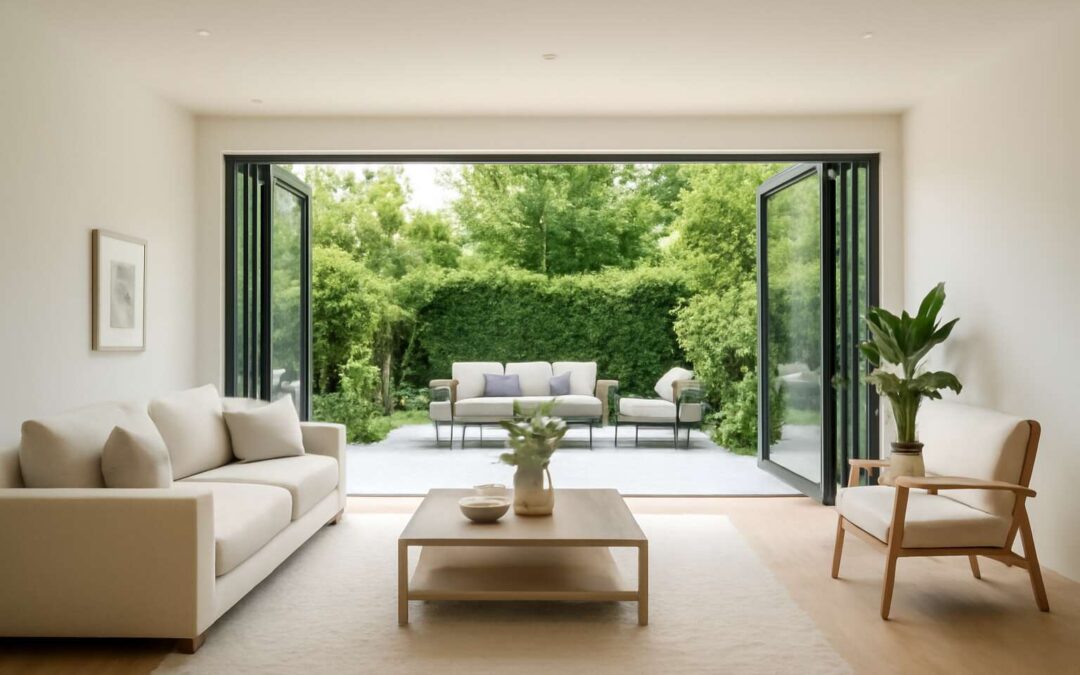
Understanding Folding Door Systems with Sliding Panels
What are folding door systems?
“Open space, open life,” a neighbour once murmured, and South African homes feel that truth when sliding folding doors fuse living rooms with sunlit courtyards. They stretch out panels that slide and fold, opening a room to the garden with a single, quiet motion.
Understanding folding door systems means recognizing how the panels stack and glide along tracks, how weather seals hold heat in and dust out, and how the frame holds up under sun and rain. For rural homes, reliability and quiet operation matter more than flash.
- Sturdy, low-maintenance tracks that glide with ease
- Weather seals that keep heat in and dust out
- Flexible configurations for verandas and seasonal openings
In quiet corners of the countryside, these doors blend everyday work with the scent of rain on eucalyptus and the glow of sunset across corrugated roofs.
How sliding panels operate and stack
Rural living in South Africa often centers on the threshold between kitchen and courtyard, where wind and birdsong shape the day. In our climate, one move can redraw a room’s horizon—sliding folding doors invite that chorus inside, not with drama, but with a quiet that makes mornings feel wider and evenings cozier.
Understanding how sliding panels operate and stack is a study in quiet physics: tracks, rollers, and the balance that keeps every crease of glass effortless. Panels glide on runners, fold along a frame, and stack to create a wide opening that disappears with a single motion.
- Low-friction tracks and precision rollers for smooth action
- Flexible stacking patterns that adapt to verandas and seasonal openings
Beyond the mechanism, the result is a room that breathes with light and the scent of rain. A living space where indoors and outdoors seem to share the same heartbeat.
Core benefits for homes and commercial spaces
South Africa’s climate rewards openings that breathe! Sliding folding doors turn a kitchen courtyard into a living panorama, inviting light and air to travel through every room. The core value is flexibility: wide, cafe-style gatherings, or a compact aperture when wind, dust, or security demand restraint. These systems marry form and function with weather-ready seals that stay quiet in operation and durable over years.
- Adaptive opening patterns for home living rooms and commercial showrooms
- Enhanced daylight, ventilation, and an unobstructed sense of space with premium door panels
- Rugged hardware, low maintenance, and tightened seals for year-round comfort
And pair these systems with quality glazing and a careful layout, and the indoors and outdoors share the same heartbeat—quiet, bright, and ready for any season.
Common configurations and use cases
In South Africa, openings that breathe are not optional; they’re essential. The concept of sliding folding doors is the hinge between warmth and outside possibility. A voice whispered, “The space between rooms is where life happens”—and these systems stretch that space, panel by panel, inviting daylight and air to travel where it’s needed most.
Common configurations guide how spaces unfold.
- Two-panel and three-panel runs with a side stack
- Four- and five-panel configurations for openings
- Corner and bay layouts for smooth transitions
Use cases span residential kitchens and verandas, hotel showrooms, and modern offices; the goal is to balance airflow with weather resilience. When you pair with quality glazing and careful layout, the indoors shares the same heartbeat as the outdoors—quiet, bright, and ready for any season.
Design considerations and material options
“Light travels farther when doors fold,” a South African designer likes to say, and the idea lands with a satisfying click as you slide panels open. Sliding folding doors fuse indoor warmth with outdoor possibility, turning a cramped room into a welcoming veranda.
Understanding folding door systems starts with how panels stack, seal, and weather the elements. For SA homes, select materials that blend insulation with resilience: aluminum for longevity, timber for warmth, or composites that balance both. Sliding folding doors can frame daylight while guarding against wind and rain.
Design considerations and material options at a glance:
- Thermal performance and glazing choices that suit SA climates
- Frame material and corrosion resistance for coastal or inland locations
- Hardware quality and smooth operation for long-term enjoyment
When paired with thoughtful layout, this system extends life indoors and lets daylight travel panel by panel, without sacrificing weather resilience.
Benefits and Energy Efficiency of Contemporary Panel Doors
Space-saving design and layout flexibility
Energy costs in South Africa keep climbing, turning doors into real investments. Sliding folding doors fuse light, air, and control into a single, elegant system—delivering a seamless transition from inside to outside while preserving privacy when needed.
Space-saving design and layout flexibility are magnetic advantages of contemporary panel doors. Their panels stack neatly and retract to maximize openings—perfect for compact rooms, patios, or wind-swept coastal homes.
- Smart sealing and thermal breaks reduce heat loss in winter and heat gain in summer
- Low-friction hardware ensures smooth operation and longer life
- Modular panels allow flexible opening widths for traffic flow and furniture placement
Pair these with energy-efficient glazing and compliant frames, and daylight is harvested while maintaining comfortable temperatures—less reliance on HVAC and fewer drafts. Sliding folding doors aren’t just stylish; they’re engineered for the South African climate, marrying form with function to elevate any space.
Natural light and indoor-outdoor living
Energy costs in South Africa have surged, making daylight and climate control a real consideration for every home. Sliding folding doors bring in natural light and fresh air while delivering a seamless indoor-outdoor flow, with privacy retained when needed.
Benefits at a glance include a bright, open ambiance and flexible layouts that adapt to real living patterns. The following points highlight the energy-first advantages of contemporary panel doors:
- Natural daylight that reduces reliance on artificial lighting
- Smart sealing and thermal breaks that curb heat loss in winter and heat gain in summer
- Modular openings that adapt to furniture placement and traffic flow
With energy-efficient glazing and compliant frames, daylight is harvested without sacrificing comfort. Sliding folding doors are more than stylish; they’re a practical response to the South African climate, uniting form with function for everyday spaces.
Insulation, weather sealing, and energy performance
Energy costs in South Africa are rising, and the gap between indoors and outdoors matters more than ever. Sliding folding doors aren’t just about style—they deliver genuine energy performance. With smart sealing, thermal breaks, and energy-efficient glazing, these panels keep heat where it belongs: inside in winter and outside in summer, while letting in daylight.
Key energy features at a glance:
- Insulation that reduces heat flux through the door assembly
- Weather sealing and thermal breaks that curb drafts and temperature swings
- Energy-performance glazing and compliant frames that optimize U-values
In daily life, this translates to comfortable rooms and more flexible layouts; the overall energy load is steadier; you can enjoy natural light without over-reliance on artificial lighting. With this balance, these doors become a practical response to SA’s climate.
Durability and low maintenance
Across South Africa, energy prices keep climbing, and a well-sealed entry reduces strain on cooling and heating. In this climate, contemporary panel doors prove their worth not just in look but in quiet, stubborn durability that shrugs off sun and rain.
Durability comes from smart material choices—aluminium frames, robust hardware, and powder-coated finishes that resist moisture, UV, and salt air. The term sliding folding doors sums up a system built to endure: smooth operation, low-maintenance surfaces, and sealed joints that keep performance steady year after year.
Because these doors pair with efficient glazing and proper sealing, their energy performance remains consistent with minimal care; a quick wipe, periodic lubrication, and track inspections are all that’s needed to sustain comfort and savings.
Safety features and child-friendly options
South Africa’s energy bills are loud enough to wake a sleeping hippo—until the right entry system arrives. A well-sealed doorway can trim cooling needs by up to 30%, and modern sliding folding doors make that seal feel natural, like a breeze through a canyon. They glide with little fuss, stay quiet, and shrug off sun and rain with a grin.
- Finger-safe gaskets and recessed tracks
- Tamper-resistant locks with multi-point latches
- Tempered or laminated safety glazing
- Soft-close rollers to prevent slams
- Child-friendly locking options at reachable heights
Safety and energy go hand in hand, and these features don’t shout—they whisper quality. With thermally broken frames and weather seals, you keep drafts out without sacrificing light, making sweeping panels a practical family member rather than a drama queen.
Materials, Finishes, and Aesthetic Styles for Sliding Panel Doors
Frame materials compared: aluminium, uPVC, timber
For sliding folding doors, the frame is the spine of character—aluminium, uPVC, and timber each whisper a different mood while inviting the outside in. The choice guides light, air, and daily rhythm.
Aluminium offers slender profiles and lasting strength, shrugging off heavy use and weather with a high-tech, contemporary finish.
- Powder-coated colours in a wide palette
- Anodised tones that resist fading
- Woodgrain finishes echoing timber
uPVC blends affordability with energy efficiency. Its crisp frames stay clean and resist warping, ideal for busy spaces that crave straightforward elegance.
Timber brings warmth under South African light, with grain that shifts like dunes. Finishes range from clear varnish to rich stains, offering a tactile, sustainable narrative.
From urban minimalism to warm coastal bravura, sliding folding doors frame moods as much as openings—an architecture of breath and edge!
Glass options and glazing performance
I look at SA living rooms and see glass as a climate decision, not just a view! For sliding folding doors, the glass you pick shapes light, privacy and comfort, turning a horizon into a daily ritual. Glazing performance matters as much as the frame.
- Tempered safety glass
- Laminated security glass
- Low-E reflective coatings
- Acoustic laminated glass
Finishes extend the glass story. Hardware in matte charcoal, brushed nickel, or bronze speaks with the space, from restrained to exuberant, while edge detailing keeps the doors feeling cohesive and deliberate.
Aesthetic styles range from sleek urban minimalism to sun-warmed coastal charm and timber-inspired interiors. Clear glass expands space; tinted options curb glare—together they let the exterior become a statement.
Finishes, colors, and texture options
Materials shape the room’s climate and its character. In SA homes, aluminium gives lean, weather-smart frames; timber veneers offer warmth; composites balance resilience and texture. For sliding folding doors, the material mood dictates how light travels, how air moves, and how the everyday becomes a ritual.
Finishes extend the glass story, pairing hardware and edge detailing with space, from restrained to exuberant.
- Matte charcoal hardware and framing accents
- Brushed nickel hardware for a refined glow
- Bronze tones that warm urban or coastal interiors
Aesthetic Styles lean toward sleek urban minimalism, sun-warmed coastal charm, and timber-inspired interiors. Clear glass magnifies space and light, while thoughtfully tinted options quell glare, letting the exterior become a living backdrop to everyday moments.
Design styles: modern, minimal, traditional
Materials shape the room’s climate and its character. In South Africa, aluminium frames offer lean, weather-smart performance; timber veneers bring warmth and tactile grain; composites balance resilience with texture for busy interiors. With sliding folding doors, the material mood guides how light travels and air circulates, turning everyday entryways into rituals.
Finishes extend the glass story, pairing hardware and edge detailing with space.
- Matte charcoal hardware and framing accents
- Brushed nickel hardware for a refined glow
- Bronze tones that warm urban or coastal interiors
Together, they cast a mood that can be restrained or exuberant, shaping a room’s daily rituals.
Aesthetic Styles lean toward sleek urban minimalism, sun-warmed coastal charm, and timber-inspired interiors. Clear glass magnifies space, while tinted options quell glare, letting the outside become a living backdrop. In modern, minimal, and traditional expressions, the frame and glass speak a unified language.
Installation, Costs, and Maintenance Tips for Panel Doors
Planning and professional installation steps
Installation of sliding folding doors is a rite of passage for Panel Doors Planning. A seasoned installer measures openings with the hush of a cathedral, ensures the frame is true, and aligns tracks so the panels glide like whispered footsteps. In South Africa’s wind and sun, corrosion-resistant finishes and weather seals endure the long vigil.
- Site assessment and measurements
- Frame levelling and track alignment
- Panel fitting and hardware tuning
- Final inspection and commissioning
Costs hinge on size, glazing, hardware, and finish; a modular system can ease on-site complexity, while premium timber-look finishes or toughened glass tilt the price. Allow for local VAT and installation in SA.
Maintenance whispers of season, not chore. Observe seals for wear, monitor track integrity, and note any eerie creaks as seasons turn; regular attention from a trained professional keeps the doors sliding with quiet authority.
Cost factors: size, hardware, finish, and glazing
Installation of sliding folding doors reads like a ceremony of precision. A seasoned installer measures the opening with quiet intent, makes the frame true, and tunes the tracks so the panels glide with the hush of a wind-blown cathedral. In South Africa’s wind and sun, corrosion-resistant finishes and weather seals stand the long vigil.
Costs hinge on size, glazing, hardware, and finish; a modular system can ease on-site complexity, while premium timber-look finishes or toughened glass tilt the price. Remember to account for SA VAT and installation charges.
Maintenance for these doors is a seasonal whisper—observe seals for wear, monitor track alignment, and note any creaks as seasons turn. Regular attention from a trained professional keeps the glide smooth and the doors feeling confident in year-round SA conditions.
Installation timelines and disruption minimization
A door is more than wood and glass; it’s a measured ritual. “Precision is the first guest at every door,” says the installer, and sliding folding doors prove it in every inch. Installation timelines hinge on planning to minimize disruption. On site, protect floors, dry-fit the frame, and align tracks before the first panel glides. The glide should be hushed, predictable, confident.
- Pre-install survey and opening protection
- Floor protection and clean work zone
- Dry-fit frame and track alignment
Costs reflect size, glazing, hardware, and finish; a modular approach can ease disruption, while premium timber-look finishes or toughened glass tilt the price. Remember SA VAT and installation charges for sliding folding doors.
Maintenance is a seasonal whisper: inspect seals for wear, check track alignment, and note any creaks as weather shifts. Regular professional checks keep the glide smooth and doors confident year-round in SA conditions.
Ongoing maintenance and warranty considerations
Installation is a choreography, and precision is the first guest at the door. With sliding folding doors, on-site prep matters: protect floors, dry-fit the frame, and align tracks before the first panel glides. The glide should be hushed, confident, and predictable.
Costs reflect size, glazing, hardware, and finish; a modular approach can ease disruption, while premium timber-look finishes or toughened glass tilt the price. In SA, VAT and installation charges apply, so budgets should anticipate the whole package rather than just the panels.
Maintenance is a seasonal whisper—simple checks that preserve performance and warranty. Inspect seals for wear, note any creaks as weather shifts, and keep tracks clean. Ongoing professional checks keep the glide smooth year-round in SA conditions. Warranty considerations: ensure regular service by approved installers, and retain invoices for coverage.
- Annual professional inspection.
- Use manufacturer-approved lubricants only.
- Keep service invoices to sustain warranty.
Common mistakes to avoid in installation
Precision is the first guest at the door, and the initial glide should feel like a whispered, effortless welcome. When installing sliding folding doors, on-site prep matters: protect floors, dry-fit the frame, and align tracks before the first panel glides. Common mistakes to avoid include:
- No floor protection
- No dry-fit
- Track misalignment
- Over-tightening screws
Costs reflect size, glazing, hardware, and finish; a modular approach can ease disruption, while premium timber-look finishes or toughened glass tilt the price. In SA, VAT and installation charges apply, so budgets should anticipate the whole package, not just the panels for sliding folding doors.
Maintenance is a seasonal whisper—simple checks that preserve performance. For sliding folding doors, inspect seals for wear and keep tracks clean. Annual professional inspections keep the glide smooth in SA. Use manufacturer-approved lubricants and retain invoices to sustain warranty.