
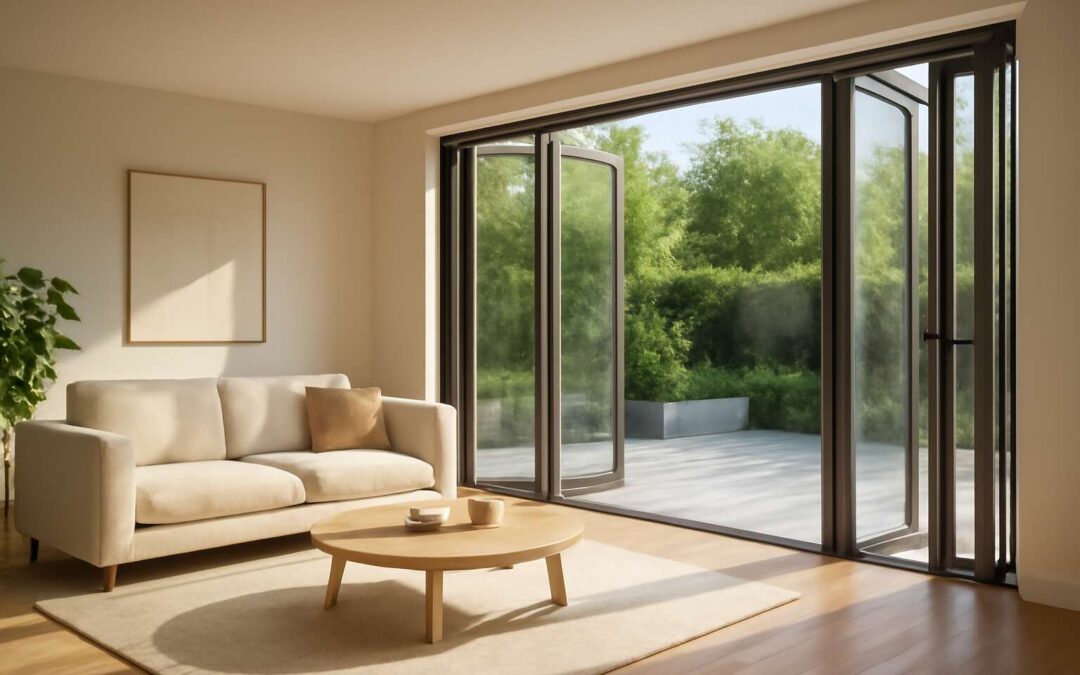
Track System Basics for Space-Saving Doors
What is a folding door track system?
“Space is the hinge between function and feeling,” a seasoned architect once whispered, and folding doors prove it every day. Track systems are the quiet conductors of bi-fold elegance, guiding panels as they fold and stack, turning a room from closed to expansive with a single, economical gesture. I’ve watched them vanish into a wall, space to breathe.
What is a folding doors track system? It is the basic framework that makes this magic possible. A setup uses aluminium rails, precision rollers, and weather seals that glide along a concealed corridor, either at the top or bottom. In South Africa’s climate, this arrangement prioritises reliability, smooth operation, and easy maintenance. These folding doors track systems are built to endure SA humidity and heat.
- Aluminium track and rollers for coastal humidity
- Top or bottom mounting for flexible layouts
- Weather seals to keep dust out
Key components and hardware overview
Space becomes a tangible virtue in South Africa’s sunlit rooms when folding doors track systems take the stage—the glide from enclosure to openness can feel like stepping into a brighter room. The quiet choreography hides in plain sight: a clean axis, balanced weight, and a soft whisper of seals as panels gather in perfect harmony. This isn’t magic, it’s engineered reliability that keeps rooms flexible, light, and ready for the next social moment.
Key components and hardware keep the act running smoothly.
- Aluminium rails
- Precision rollers
- Weather seals
- Top or bottom mounting options
- Guides and end stops
All in a compact footprint, these elements are chosen to cope with coastal humidity and SA heat, delivering dependable function with minimal upkeep and maximum daylight.
How track geometry affects operation
Space is the fabric of modern living in South Africa’s sunlit rooms, and track geometry is the loom that shapes it. Folding doors track systems orchestrate how light slips through a frame, how panels pause and gather with a measured breath. When curves and radii align, rooms feel lighter, as daylight learns to step around corners.
Track geometry determines glide quality, stop points, and how much space the panels occupy when open. A straight rail keeps a neat line; a tolerant curve broadens the opening without stressing the system in coastal heat.
- Track curvature and alignment
- Rail height consistency and mounting options
- Wheel size and end stops
This quiet math becomes a daily partner, turning space into an invitation rather than a barrier. The right geometry isolates drafts, frames daylight, and sustains flow from room to room. In the end, folding doors track systems become more than hardware; they shape how inhabitants move, feel, and share space.
Benefits in residential and commercial settings
Space is the currency of modern living, and in South Africa’s sunlit rooms, folding doors track systems can make a house breathe—unlocking up to 20% more perceived space. They turn a wall into a suggestion, inviting daylight to slide through with a measured whisper and return as shade at day’s end.
Track-system basics reward both homes and workplaces with quiet efficiency. Consider these space-saving benefits:
- Maximized usable area by folding panels along a slim rail
- Flexible opening widths for daylight and airflow
- Low-profile hardware preserves architectural lines
From compact offices to open-plan living rooms, the rhythm of track alignment and mounting choices dictates how space breathes and daylight glows; I’ve seen it in action.
These systems are more than hardware; they sculpt movement, mood, and the invisible currents that stitch rooms together.
Materials and Hardware for Folding Door Tracks
Common track materials and their performance
Across South Africa’s sunlit interiors, space is currency and light moves with intention. A quiet, flawless glide isn’t magic—it begins with the track that carries folding doors track systems, translating daily use into dependable performance. In coastal towns and inland heat, material choices determine longevity, wear, and the elegance of every opening.
- Aluminium: lightweight, corrosion resistant and ideal for high-traffic doors.
- Stainless steel: exceptional wear resistance, suited to coastal and busy entrances.
- Composite polymers or nylon rollers: quiet, low-friction operation for smooth folding.
Beyond metal choices, bearings, wheels, and protective finishes shape the touch of daily use. For folding doors track systems, a well-chosen coating—anodised aluminium, powder-coated steel, or hybrid finishes—prevents sticky days and keeps the door singing with every glide.
Rollers, hinges, and hardware compatibility
Across South Africa, doors that glide become quiet storytellers. A Durban corridor door logs about 12,000 openings in a decade—a statistic hinting at the magic of solid materials and precise hardware. In folding doors track systems, the track, rollers, and bearings do the heavy lifting, turning daily use into dependable performance.
Rollers, bearings, hinges, and fixings form the harmony of daily use.
- Rollers and wheels: nylon or stainless steel with a suitable load rating.
- Bearings: ball bearings for smooth action or sleeves for budget use.
- Hinges and fixings: compatible type and screw spacing with the frame and track.
Together, they endure South Africa’s sun and coastal air with elegance and reliability.
Track coatings, wear resistance, and maintenance needs
In folding doors track systems, coatings are more than cosmetic bling—they cushion daily use against SA’s sun and salty air. Anodized aluminum, stainless steel, and polymer-infused finishes keep surfaces slick and corrosion away, while wear-resistant compounds extend life in bustling homes and busy offices. A nimble track that stays quiet after years of use is less luck than science, and coatings are the first line of that science.
- Coatings: anodized aluminum, stainless steel, epoxy or polymer laminates for coastal durability
- Wear resistance: hard-wearing surfaces, low-friction polymers, and reinforced rollers
- Maintenance: regular cleaning to remove dust and salt spray, light lubrication, and debris removal
- Environment: consider coastal corrosion potential and choose materials accordingly
The right mix of coatings and hardware reduces friction, resists the SA climate, and keeps long-term maintenance simple. That’s the essence of reliable folding doors track systems.
Sound and vibration dampening options and best practices
In South Africa, the quiet confidence of a home starts with the everyday glide of folding doors track systems. A seasoned installer once whispered: “Silence is the luxury of a well-made track.” The door’s journey from room to sunlit veranda is poetry in motion.
Materials and hardware for these tracks blend durability with grace: aluminum or stainless frames, polymer-infused surfaces, low-friction rollers, and reinforced rails that drink the salt air without faltering. The right combination keeps folding doors track systems sturdy, yet attuned to the cadence of daily life.
- Soft-close dampers that cushion each transition
- Felt or rubber gaskets to hush the seal
- Urethane or nylon rollers for smooth rolling
- Elastomeric pads to dampen vibrations
Sound and vibration dampening arise from thoughtful design: materials that resist warp, precise alignment, and discreet lubrication that respects the dry South African climate. Regular inspections and debris-free tracks preserve the glide as the years unfold.
Installation and Fit: Designing Your Track System
Assessing space, headroom, and clearance requirements
In the realm of folding doors track systems, space planning begins with assessing space, headroom, and clearance, because elegance without practical room to move is a hollow dream. In South Africa, where homes blend indoor light with outdoor skies, the right track layout unlocks rooms you never thought possible.
- Ceiling height and track length alignment
- Wall obstructions and niche placements
- Doorway width, jambs, and sill clearance
- Furniture flow and access corridors
Design choices follow natural light and architectural lines, ensuring smooth operation without crowding spaces. Measure headroom above the track, plan for future reconfigurations, and align with architraves so the system feels deliberate.
With careful fit, your system becomes a frame for living—a doorway that glides as if the room itself breathes. Reinforce mounting points and select coatings that withstand South Africa’s climate, then watch interiors meet exteriors in seamless dialogue.
Recessed versus surface-mounted track options
Space, light, and rhythm guide the installation and fit of your track system. Choosing between recessed and surface-mounted configurations defines the room’s silhouette and its ease of use. In South Africa’s sunlit homes, flush profiles invite the view while preserving clean, uninterrupted lines. The right option should harmonize with wall textures and architraves so that operation remains effortless and elegant.
Two common routes illuminate the decision:
- Recessed track offers a flush silhouette that hides within the décor, preserving sightlines.
- Surface-mounted track suits retrofit projects and allows flexible panel replacement without major wall work.
In the end, folding doors track systems should move with a whisper and sit as a deliberate architectural note, not an afterthought.
Alignment, screws, and mounting hardware tips
Installation and fit begin with alignment that whispers rather than shouts. For folding doors track systems, the line between weight, track geometry, and wall structure determines what you see when the panels glide—an elegant seam or a stubborn misalignment. Achieve true balance by treating mounting surfaces as part of the door’s choreography, not an afterthought.
Ideally, screws and mounting hardware should speak the same language as your wall: corrosion-resistant for coastal South African homes, capable of carrying the panel rhythm without fatigue. With folding doors track systems in mind, choose brackets that distribute load evenly and fasteners that partner with the track profile while leaving room for future panel swaps without wall damage.
- Wall substrate compatibility and plumb lines
- Track and bracket pairing for consistent rhythm
- Maintenance access for rollers and hardware
Keep a keen eye on alignment during installation; a quiet glide is the ultimate sign of craftsmanship.
Electrical considerations for motorized folding doors
Installation and Fit: Designing Your Track System is where craft meets practicality. In many South African homes, a smooth, silent glide is worth its weight in sunlight—yet it hinges on walls, ceilings, and floors working as one. Measure meticulously, plumb carefully, and treat the motor footprint as part of the architecture—not an afterthought.
When you design folding doors track systems, think through electricity as a partner to motion. Plan a clean power path, choose safe controllers, and specify weatherproof components if exposed. The goal is a quiet, controlled glide powered by dependable energy.
- Power source location and circuit protection
- Conduit routing that respects wall structure
- Controller placement and safety interlocks
- Backup power options and testing considerations
Safety and compliance are not afterthoughts but the frame that holds the whole system together. Local codes and careful specification guide the electrical choice, ensuring durability for South African conditions and a seamless experience for every family in the home.
Warranty, safety, and professional installation considerations
In South Africa, elegance in motion isn’t just a smooth glide; it’s assurance the door will perform for years. A warranty is the quiet handshake that underwrites craftsmanship. When you review folding doors track systems, demand clarity on coverage, duration, and transferability—because in good design, the contract matters as much as the hinge.
Safety comes first: professional installation by accredited technicians, correct mounting, and adherence to SANS 10142-1 electrical rules if motors are involved. Local building regulations and manufacturer guidelines shape the install, ensuring durable performance amidst South African climate and vibrations from busy households. A reputable installer will also verify service access, avoid voiding warranties, and schedule commissioning to test safety interlocks and alignment. Respect for folding doors track systems is nonnegotiable.
Key considerations include:
- Warranty coverage specifics (duration, inclusions, transferability)
- Installer qualifications and manufacturer accreditation
- Post-installation testing and maintenance expectations
Maintenance, Safety, and Compliance
Routine inspection, lubrication, and adjustment schedules
“Reliability isn’t luck—it’s scheduled,” a maintenance veteran once said. For folding doors track systems, routine inspection, lubrication, and adjustment cycles keep the glide smooth and cut downtime. In South Africa, facilities that stay on top of wear across components not only perform better but also align with local safety codes.
Safety matters as much as speed. Regular checks reveal misalignment, worn rollers, or debris before they cause a jam. Clearances and guards protect occupants, and predictable operation reduces pinch points. Maintenance becomes part of safety training, not an afterthought.
Compliance is record-keeping with purpose. A documented history of inspections, lubricant types, and adjustments supports audits and tenant expectations, and aligns with South African building and safety regulations and warranty terms. A simple log keeps teams coordinated and keeps projects moving.
Safety features, emergency release, and user guidance
Maintenance is a quiet act of discipline—it’s the difference between a door that glides and one that drags your day. For folding doors track systems, routine inspection, lubrication, and gentle adjustment keep the glide smooth even in high-traffic spaces. In South Africa, a predictable maintenance rhythm reduces downtime and preserves warranty terms.
Safety is speed’s silent partner. Regular checks flag misalignment, worn rollers, or debris before a jam. Guarding, clearances, and well-placed pinch-point protections keep occupants safe and empower crews with confidence during daily use.
Compliance safety features and emergency release are not afterthoughts but design essentials. South African codes require accessible releases, clear signage, and auditable maintenance logs. User guidance—simple, practical prompts—ensures consistent operation and reduces risk in busy facilities.
- Emergency release is accessible and clearly marked
- Access paths and release mechanisms stay unobstructed
- Maintenance records are kept for audits and safety reviews
Troubleshooting common performance issues
Maintenance in folding doors track systems is a rhythm you feel from the workshop to the doorway—a quiet discipline that keeps spaces inviting and doors gliding. In South Africa, a predictable maintenance cadence reduces downtime and preserves warranty terms. Routine inspection, lubrication, and gentle adjustment matter.
Safety is speed’s partner. When misalignment, worn rollers, or debris appear, a timely check prevents jams and pinched fingers. Guarding, clearances, and well-placed pinch-point protections keep occupants safe and empower crews with confidence during daily use.
Compliance troubleshooting follows a calm, auditing mindset: accessible releases, auditable maintenance logs, and clear signage remain essential. Watch for these signals:
- misalignment or uneven door travel
- creaking or grinding from the track
- debris buildup or obstructions in the groove
- loose mounting screws or worn pocket hardware
Building codes, accessibility, and regulatory guidance
Smooth spaces start with a quiet rhythm. In South Africa, a thoughtful maintenance cadence for folding doors track systems keeps entrances inviting and warranties intact. Routine checks, light lubrication, and gentle adjustments let doors glide with grace rather than creak under stress.
Safety is speed’s partner. When misalignment, worn rollers, or debris appear, a timely check prevents jams and pinched fingers. Guarding, proper clearances, and pinch-point protections help occupants move confidently through daily use.
Compliance is built into design and daily operation. South Africa’s building regulations and accessibility expectations shape how doors must perform, be maintained, and be documented. Keep records and ensure clear signage, accessible releases, and auditable maintenance logs as part of the routine.
- Documentation of inspections and tests
- Clear signage and user guidance
- Local authority sign-offs and regulatory records
DIY vs professional maintenance and service considerations
In South Africa’s bustling foyers, entrances must glide as quietly as a whispered spell. One in five folding doors track systems in busy spaces misalign within a year, a startling reminder that steady care preserves performance, safety, and warranties!
Safety glows like a steady lantern. Minor visual checks and calm observation can be done on site, yet misalignment, worn rollers, or debris may demand a professional touch. In South Africa, signage, accessible releases, and auditable maintenance logs are woven into daily operation.
DIY versus professional care is a balance of prudence and warranty.
- DIY considerations: visual checks and documentation of issues
- Professional considerations: complex alignment, safety, and warranty compliance