
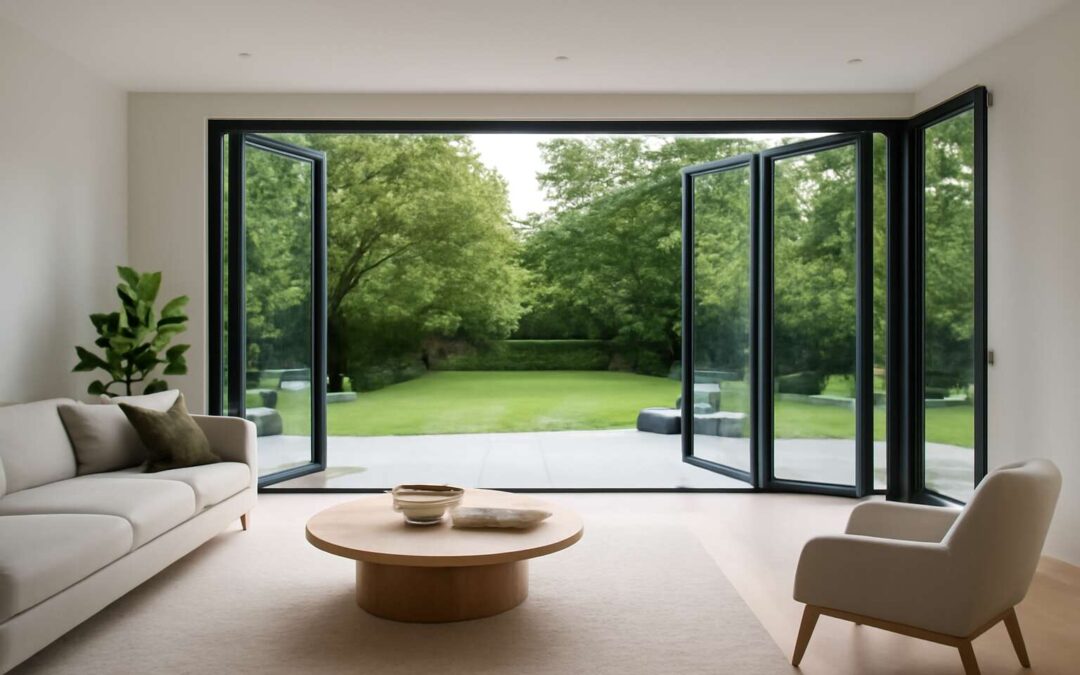
Aluminium Folding Doors: Design Principles, Materials, Fabrication and Installation
Design fundamentals
Light is a language, and South Africa’s sunlit homes translate it into open space, with daylight often increasing noticeably when bi-fold doors are used. “Light is a language,” notes a Cape Town architect, guiding every hinge and seam.
Design principles favour slender profiles, clean lines, and reliable sealing. The goal is a fold that disappears when opened, yet locks in warmth and security when closed.
Materials matter: aluminium grades (6063-T5), thermal breaks, and tough powder coatings suited to SA’s varying climates. Consider corrosion resistance, UV stability, and longevity.
- 6063-T5 aluminum
- Thermal breaks
Fabrication demands tight tolerances, precise joinery, and proper drainage. For installation, align tracks and anchor frames to suit wind loads in coastal and highveld environments; how to make aluminium folding doors isn’t magic, it’s measured craft.
Materials and hardware selection
“Light is a language,” says a Cape Town architect, and in South Africa daylight becomes the master key for space. Folding doors bring sun indoors without sacrificing privacy.
Design principles favour slender profiles, clean lines, and reliable sealing, while materials and coatings stand up to SA’s sun and coastal air.
- 6063-T5 aluminum for strength without extra weight
- Thermal breaks to curb heat transfer and boost comfort
- Durable powder coatings tuned for UV stability and corrosion resistance
Fabrication demands tight tolerances and proper drainage. For those curious about how to make aluminium folding doors, this is measured craft, not magic, where tracks align and water drains away.
Installation and hardware selection matter as much as profiles. Align tracks to wind loads in coastal and highveld climates; choose rollers, seals, and anchors that balance ease of use with security.
Fabrication and assembly steps
Across South Africa, daylight is a storyteller, bending walls into invitations. For those curious about how to make aluminium folding doors, the answer lies in measured craft rather than luck, where the frame whispers with the sea breeze and rooms expand with each sunbeam.
Fabrication and installation in this craft hinge on a delicate balance—sound joints, graceful tracks, and channels that sweep rain away without a murmur. In the workshop, artisans treat aluminium as a living material, shaping forms that shed heat by day and keep warmth close at night while seals stand firm against coastal winds.
- precision alignment of components
- drainage-conscious design to guide moisture
- UV-stable, coastal-ready finishes
Let the imagination roam: spaces where light travels with intent, privacy holds fast, and the horizon slides open on a quiet hinge.
Finishing, testing, and installation
Coastal light is a master of persuasion, and a well-made door knows when to yield. A seasoned craftsman reminds us that a hinge is a quiet diplomat between room and horizon, especially when the sea breeze wants to wander. In South Africa, aluminium folding doors become a conversation piece between shelter and sun.
Design principles demand balance: slim, robust frames, tracks that whisper rather than clatter, and seals that shrug off spray without a murmur. For those curious how to make aluminium folding doors, the answer lies in measured craft where each joint dances with the next and panels glide with the patience of a cathedral door. Finishing choices—UV-stable, coastal-ready coatings—and a focus on drainage-conscious geometry ensure daylight travels with intent while warmth remains inside during the long country nights.
- Seals and drainage that manage moisture without fuss
- Coastal-grade finishes that resist salt spray
- Precision alignment for smooth operation
Testing and installation philosophy are the final acts of respect to the material: we observe fit, function, and finish in a room where light plays like a guest at the table, and the horizon slides open on a quiet hinge.