
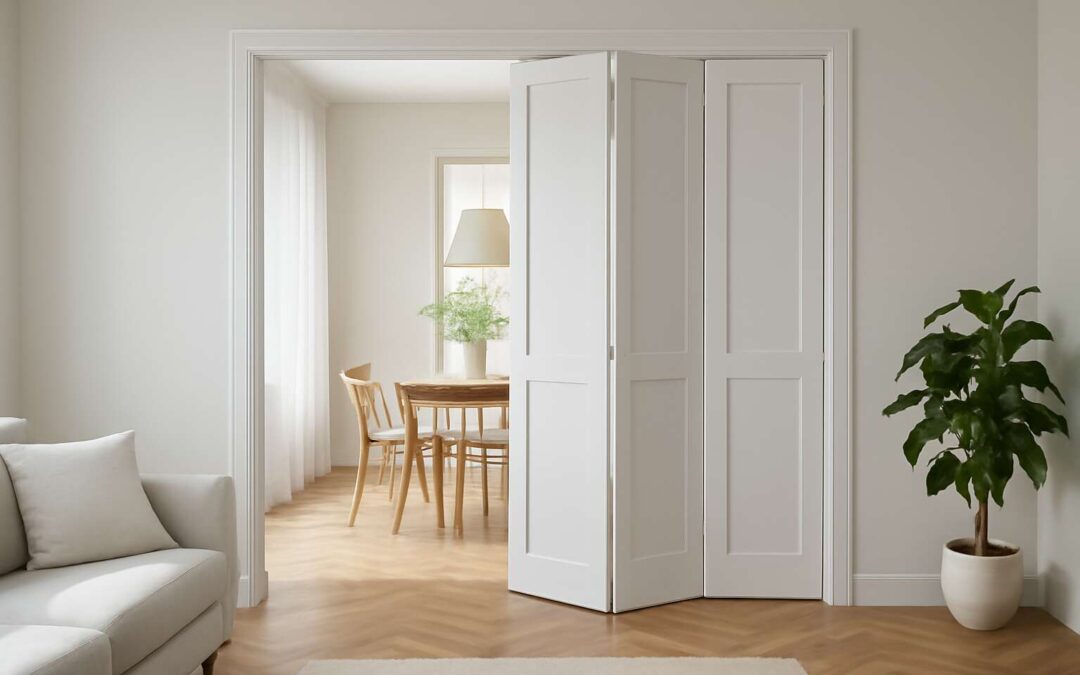
Comprehensive guide to folding doors for room separation
Design options and benefits
Space is an argument between openness and intimacy, and in South African homes that dialogue unfolds in a single gesture. Folding doors to separate rooms can morph a shared lounge into a quiet study, or close a kitchen without dulling the mood. I have watched a single fold redefine a room. As a designer says, space is the sculpture of light, and doors are the chisels that reveal its form. With careful selection, these panels become ambassadors of atmosphere rather than mere dividers.
In this comprehensive guide to folding doors for room separation, design options harmonize form and function. Glazed panels invite daylight; timber adds warmth; alloy frames endure the climate. The rhythm of panels—bi-fold, pocket, or fixed-swing—shapes acoustics and flow!
- Bi-fold panels that stack neatly for wide openings
- Pocket doors that disappear into the wall
- Glazed options to preserve sightlines and light
These choices translate into everyday harmony.
Materials, finishes and hardware
Daylight is the currency of a South African home, and a well-tuned fold is its mint. Folding doors to separate rooms become a soft hinge between openness and intimacy, where material choice writes mood. A timber frame offers warmth; aluminium stays cool in heat; glass invites daylight without sacrificing privacy. As a designer whispered, “Light is the sculpture of space,” and these panels listen, shaping atmosphere with quiet certainty.
Materials, finishes and hardware define character. Essentials include:
- Timber frames: warm, tactile grains that age gracefully.
- Aluminium frames: slender, corrosion-resistant, ideal for coastal heat.
- Glazed panels: preserve sightlines with privacy options.
Hardware anchors smooth movement; finishes range from natural oils to matte laminates.
Space planning and installation considerations
“Light is the silent architect of a room,” a Cape Town designer once told me, and folding doors to separate rooms are nothing short of a living frame for that design language. In South African homes where daylight breathes through corridors, the fold becomes a quiet hinge between openness and privacy, guiding mood more than mere division.
Space planning and installation considerations demand a patient eye—how moves through space, how panels balance sightlines with privacy, and how tracks sit within the ceiling line. Do not overlook the ceiling height, wall strength, and subfloor conditions that influence performance behind every panel.
- Traffic flow and furniture scale
- Ceiling height and structural supports
- Floor finish compatibility and moisture resistance
When these elements align, doors respond with quiet certainty, turning everyday movement into a measured dialogue between space and life.
Cost, maintenance and long-term value
“Light is the silent architect of a room,” a Cape Town designer once told me. Folding doors to separate rooms become that living frame, shaping mood as daylight shifts. In South Africa, daylight breathes through corridors; the fold is a quiet hinge between openness and privacy—a measured conversation between space and life!
Cost is a lifecycle notion, not a single tag. In South Africa, a basic kit sits in the affordable range, while premium timber or insulated panels push the price higher. Maintenance hinges on regular track lubrication, weather-stripping checks, and corrosion-resistant hardware—crucial in coastal climates to sustain performance.
- Upfront investment ranges by material and size
- Maintenance cadence: lubrication, seals, and track cleaning
- Long-term value: warranties, energy efficiency, resale appeal
For long-term value, quality hardware and solid warranties matter as much as style. Viewed through a long-term lens, folding doors to separate rooms offer flexibility without fragmentation, supporting your home’s structure and boosting resale appeal—an investment that quiets doubts long after the hinge is set.