
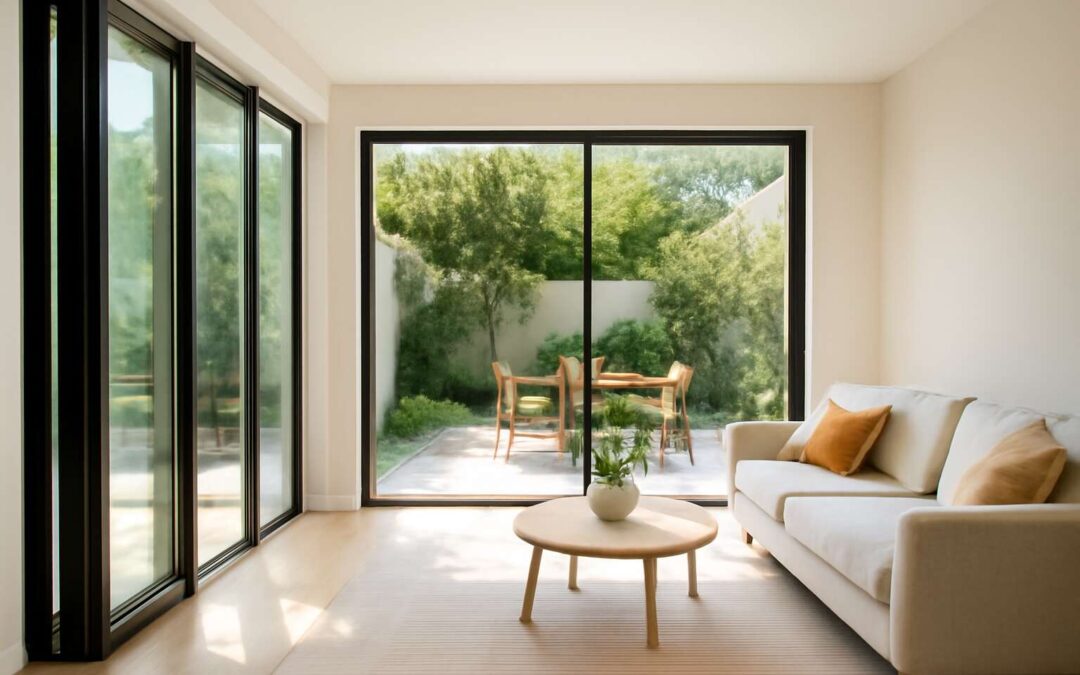
Folding and Sliding Door Showdown
Key Differences in Operation and Use
Open-plan living in South Africa is trending, and folding doors vs sliding doors decision is more than a cosmetic choice. A regional poll found that 62% of homeowners say door operation and ease-of-use steers their pick. When the space flows, the mood follows—and the party does too!
Key differences in operation and use include:
- Folding doors: concertina action creates wide, flexible openings and a dramatic indoor-outdoor flow.
- Sliding doors: smooth track glide saves space when closed and offers robust weather sealing.
- Maintenance realities: hinges, tracks, and seals demand attention to keep performance sharp.
When weighing folding doors vs sliding doors, you’re not choosing a look so much as a rhythm—the way space breathes, traffic flows, and doors behave with the Cape Town breeze. It’s about daily life, not drama, and that’s the real win in this showdown.
Common Installations and Room Layouts
Across South Africa, a regional poll reveals 62% of homeowners say door operation and ease-of-use steer their pick. The decision isn’t merely cosmetic; folding doors vs sliding doors sets the rhythm of a home—how a room breathes, how traffic moves, and how the Cape Town breeze finds its way from patio to lounge.
Common installations and room layouts reveal practical choices. Here are typical configurations you’ll encounter:
- Open-plan lounges that flow to verandas or pools, with folding doors creating a dramatic threshold.
- Compact kitchens or dining corners where sliding doors glide along a discreet track, saving wall space.
- Sunrooms and patios at the interface of inside and out, benefiting from weather sealing and flexible glass panels.
A Cape Town home unfurls where doors become living seams, not barriers, shaping daily life into a gentle, mythic rhythm. The mood shifts with breezes and traffic flows around glass.
Opening Widths and Space Utility
Opening width shapes mood as much as light. In South Africa’s homes, 62% say opening width dictates daily rhythm. folding doors vs sliding doors frame how a room breathes and how a breeze finds its path from patio to lounge.
When you stack panels, folding doors can unveil a near-unbroken portal; sliding doors preserve wall space with a slender track that stays out of the way.
- Uncluttered thresholds when panels fold fully
- Wall-area preserved for furniture and layouts
- Seasonal sealing that keeps warmth and cool air in check
Thus, the question becomes a matter of presence and flow rather than a mere entry point.
Light, Ventilation, and Privacy Considerations
In a sunlit Cape Town lounge, 62% of South African homeowners say opening width shapes daily rhythm. Light and air there bend with a whisper, and the choice between folding doors vs sliding doors becomes a choice about mood as well as function.
When panels stack, folding doors reveal a near-unbroken portal, while sliding doors preserve wall space with a slim track that stays out of the way.
- Light distribution: folding doors create broad, uninterrupted daylight; sliding doors offer more controlled glare with a fixed frame.
- Ventilation: wide openings in folding doors encourage cross-breeze; sliding doors keep drafts at bay with tight seals even when open.
- Privacy and security: folding configurations can expose interior activity; sliding doors pair well with frosted or smart glass options.
Uncluttered thresholds and seasonal sealing play into privacy—warmth in winter, cool air in summer, and a calm, breathable room feel.
So the showpiece isn’t a clash of hardware but a question of presence and flow as the door becomes a doorway to adventure rather than a mere entry point.
Design and Aesthetics for Modern Homes
Visual Appeal and Architectural Styles
Design and aesthetics shape how a home speaks, turning doors into a living poem rather than a mere entry. In South Africa, the debate between folding doors vs sliding doors isn’t just about function—it’s about creating a fluid edge between indoors and outdoors. A recent survey notes that 62% of homeowners rate seamless indoor-outdoor flow as essential, and the visual payoff is undeniable: expansive glass, slender profiles, and light that dances along the frame at dusk.
- Fluid transitions that echo contemporary South African architectural styles
- Material palettes that harmonize timber warmth with steel or aluminium frames
- Hardware finishes that catch sun and shadows without shouting
Architectural styles are more than skin; they decide how doors read: as quiet borders or as generous portals. The right choice choreographs balance—openings that respect rooms, terraces, and the climate of our cities.
Glass and Frame Finishes
South Africa’s light is a currency—sun pours through glass and inks motion along the frame at dusk. We note that 62% of homeowners rate seamless indoor-outdoor flow as essential, a statistic that anchors our design conversations. Glass becomes punctuation, turning doors into living seams between inside and garden.
Glass and frame finishes exist as a quiet duet, balancing timber warmth with steel or aluminium’s modern edge, so spaces breathe without shouting.
- Low-iron glass for maximum clarity
- Tinted or privacy glazing to mediate sun and glare
- Timber frames paired with rust-free hardware in brass, graphite, or anodised aluminum
In this choreography, the hardware finishes catch sunlight and shadows, not as accents, but as part of the architecture’s mood. The choice—folding doors vs sliding doors—becomes a rhythm decision as much as a space decision, shaping how rooms converse with terraces under South African skies.
Color and Customization Options
In South Africa, 62% of homeowners crave seamless indoor-outdoor flow, and doors at the boundary define a home’s mood. Folding doors vs sliding doors aren’t just hardware; they shape daylight and how terraces feel like extensions of living rooms.
Color and customization options let modern homes tell their stories with restraint. Think warm timber, cool steel, and glass that’s crystal clear or softly tinted, paired with brass, graphite, or anodised hardware. The folding doors vs sliding doors decision subtly guides architectural lines.
Consider how color carries from interior to exterior.
- Color coordination with exterior cladding
- Hardware finish consistency
- Tint levels for glare control
Integrating Indoor-Outdoor Living
In South Africa, 62% of homeowners crave seamless indoor-outdoor flow, a conviction that shapes more than rooms—it shapes the air we breathe at dawn. folding doors vs sliding doors aren’t merely hardware; they’re thresholds where daylight leans into living spaces and the terrace becomes a living room with a horizon for a neighbor’s braai and the evening sky.
Design and aesthetics hinge on proportion and rhythm. The choice writes the façade’s language—whether streamlined or inviting—while guiding how light travels from kitchen to courtyard. A restrained palette—warm timber, cool steel, glass either crystal clear or softly tinted—lets interior and exterior converse as one, without shouting!
Consider a few design notes that quietly elevate the experience:
- Sightlines that linger rather than interrupt
- Material fidelity—wood, metal, glass—chosen for coherence
- Hardware language that mirrors interior finishes
Ultimately, the door becomes a statement about space, time, and the human need to belong somewhere open.
Hybrid Design Possibilities
Homeowners in SA are chasing a living fabric, not just walls. In fact, 62% crave seamless indoor-outdoor flow, a statistic that reframes every room as part of the sky. Folding doors vs sliding doors are not mere hardware; they are thresholds where daylight leans into living spaces and the terrace becomes a room with a view. For modern homes, design and rhythm matter as much as function—proportions, sightlines, and material honesty shape the façade’s voice while guiding light from kitchen to courtyard. A restrained palette—warm timber, cool steel, glass in crystal or soft tint—lets indoors and outdoors converse as one, without shouting. I’ve watched daylight pour in when the gap disappears!
Design notes that quietly elevate the experience:
- Grain alignment with exterior cladding
- Slim sightlines that frame the view
- Hidden hardware that lets the frame breathe
The door remains a statement about space, time, and belonging.
Performance, Durability, and Maintenance
Materials and Build Quality
A recent SA study found homes with high-performance doors save up to 15% on energy costs, underscoring that performance matters. The comparison folding doors vs sliding doors shows this in action through tighter seals and smarter daylight management, keeping rooms comfortable when doors swing open to a patio.
Durability hinges on choice of materials and hardware. Aluminum frames with powder coating resist sun and coastal salt, while robust rollers keep panels aligned after years of use. The best systems endure SA’s varied climates with reliable operation and minimal wear.
Maintenance, Materials and Build Quality: choose finishes that resist fading and corrosion, and look for simple upkeep that keeps seals tight. Regular lubrication and clean tracks protect longevity without fuss.
Thermal Performance and Energy Efficiency
Performance shines when weather meets design. In the fold versus slide debate—the folding doors vs sliding doors—the airtight seals and daylight choreography decide comfort, letting radiant mornings warm the room while energy-efficient frames hold heat in when the breeze wanders in from the patio.
Durability rests on choice of materials and hardware. Aluminum frames with powder coating shrug off sun and coastal salt, while robust rollers keep panels aligned after years of use. The finest systems endure SA’s capricious climates with dependable operation and restrained wear.
Maintenance and thermal performance go hand in hand. Regular lubrication, clean tracks and tight seals sustain energy efficiency, so folding doors vs sliding doors stay responsive and economical. A simple upkeep ritual translates into lasting comfort across rooms that open to light and air.
Weather Sealing and Weather Resistance
Performance hinges on daylight meeting draft. In South Africa, heat loss through imperfect seals can sap comfort, so folding doors vs sliding doors must deliver airtight closure and dependable operation. When the air shifts, I see these systems choreograph warmth and breeze with ease.
Durability comes from smart materials and precise hardware. Aluminum frames with powder coatings shrug off sun and coastal salt, while robust rollers keep panels aligned after years of use.
- Aluminum with powder-coated finishes resists UV and corrosion.
- Robust rollers ensure smooth, quiet operation.
- Coastal-grade seals meet salt spray and heat.
Maintenance and weather sealing go hand in hand. Regular checks keep air tightness and resilience high through SA winters and coastal winds. A well-kept system preserves fit and comfort in spaces that open to light and air—folding doors vs sliding doors.
Cleaning and Maintenance Requirements
Performance hinges on daylight meeting draft, and SA homes need airtight closure that doesn’t betray you at dawn. In this climate, folding doors vs sliding doors must choreograph warmth and breeze with finesse, sealing out heat while inviting cross-flow when the day cools. When seals shift with wind, expect reliable operation, not a squeal.
Durability stems from smart materials and precision hardware. Aluminum frames with powder coatings shrug off sun and coastal salt, while robust rollers keep panels aligned after years of use.
- UV-resistant, corrosion-proof finishes
- Quiet rollers and reliable alignment
- Salt-tolerant seals for coastal climates
Maintenance and Cleaning Requirements: Regular checks keep air tightness through SA winters and coastal winds. Wipe tracks and seals, lubricate moving parts, and address gaps before drafts arrive.
Lifespan and Warranty Coverage
In the quiet calculus of folding doors vs sliding doors, performance is born from airtight alignment and consistent sealing, staving off drafts while inviting air when the day cools. Precision hinges ensure a smooth cadence through SA’s changing moods.
Durability rests on smart design and reliable hardware—crafted to endure coastal winds and inland heat without surrender. The best configurations glide with grace, resisting misalignment after years of use.
- Comprehensive warranty coverage
- Defined service intervals
- Material and finish integrity guarantees
Maintenance Lifespan and Warranty Coverage: Regular checks guard airtightness through SA winters and coastal winds. Ongoing upkeep and trusted servicing sustain motion and seal integrity. A robust warranty backs that vigilance.
Installation Considerations and Structural Requirements
Site Preparation and Framing Needs
In weighing folding doors vs sliding doors in South Africa, installation and structural realities shape the choice. In a country where coastal wind can turn a calm room into a wind chime, a solid lintel and true frame are more than hardware—part of a serene, secure seal.
- Structural integrity and lintel sizing to span the opening
- Framing accuracy and square alignment prior to mounting
- Thresholds and moisture barriers to prevent leaks
- Wind load considerations and secure anchorage for coastal sites
Site preparation and framing needs must be imagined before a single screw. Walls should be true, openings plumb, and rough openings sized to suit the chosen system, with moisture barriers and proper floor level considerations woven into the design.
Hardware and Tracks
Coastal winds test every threshold, and elegance alone won’t keep a room sealed. When weighing folding doors vs sliding doors, installation must begin with the frame: true walls, square openings, and a lintel that greets the weight of the system. I’ve learned the frame is the quiet stage for the drama of the view!
Key hardware and track realities include:
- Heavy-duty aluminium tracks engineered for high-wind South African coastlines
- Corrosion-resistant rollers and hinges that glide smoothly under salty air
- Waterproof thresholds and integrated moisture barriers to prevent leaks
Once the rough openings are true, alignment is locked in and the finish is set. For folding doors vs sliding doors, ensure anchorage, proper floor level, and lintel compatibility to maintain a serene seal.
Professional vs DIY Installation
Installation is the quiet act that renders a view livable. When weighing folding doors vs sliding doors, installation starts with a frame that bears the weight and walls that stay true to the line. In South Africa’s coastal homes, you need true openings, square corners, and a sturdy header that greets the track system. The threshold must be watertight, the frame anchored, and the finish harmonized with the room. Do this right, and the drama of the view stays calm and sealed.
- Professional installation often safeguards warranties and insurance in coastal South Africa.
- DIY is possible for small, uncomplicated openings but demands exact leveling and two-person handling of heavy panels.
- Local codes may dictate waterproofing, damp-proofing, and drainage that shape frame setup.
- Selecting track hardware engineered for corrosive coastal air is typically a pro decision.
Threshold Options and Accessibility
Coastal South Africa homes lose up to 30% more heat through unsealed openings—an sobering statistic that makes installation feel like a quiet oath to the sea. When weighing folding doors vs sliding doors, the decision hinges on a frame that bears weight and walls true to line. I’ve watched the drama stay calm only when the threshold is watertight, the frame anchored, and the finish harmonised with the room.
Structural requirements demand a header that resists wind and salt, precise plumb, and tracks crafted from corrosion-resistant alloys. Accessibility is built into the design through threshold options that suit coastal living without sacrificing elegance. Consider the following choices:
- Flush sill with integrated drainage
- Weather-tight, gasketed thresholds
- Low-height or ramped thresholds for step-free access
Permits and Building Codes
Coastal South Africa homes lose up to 30% more heat through unsealed openings—a statistic that makes installation feel like a quiet oath to the sea. Installation is the quiet act that decides if folding doors vs sliding doors will cradle our daily rituals or invite the sea in. I’ve watched the drama settle only when the header resists wind, the wall stays true to line, and tracks are forged from corrosion-resistant alloy. The threshold, too, must tempt with elegance while sealing against the swell, preserving visual harmony and indoor comfort.
- Local permits and plan approvals—your project’s first rite of passage
- Wind-load compliance, corrosion resistance, and drainage standards aligned with SANS
- Waterproofing and seal integrity at frame-sill junctions to prevent leaks
Permits and building codes are not roadblocks; they are guardians. Start with the local authority, ensure wind-load validation, and know that drainage and waterproofing must be woven into the specification for folding doors vs sliding doors. When code compliance and design live in harmony, coastal living becomes poetry you can trust.
Cost, Value, and Financing
Upfront Cost vs Long-Term Savings
Doors shape a home before the first light touches the floor. Upfront, folding doors vs sliding doors diverge quickly: folding systems often carry a higher price due to multi-panel hardware, while sliding options can be cheaper to install in South Africa. The choice sets the project’s pace and appetite for change.
Value lies in long-term performance. When well-sealed and finished, folding doors vs sliding doors create seamless indoor-outdoor space that trims cooling and heating needs; sturdy frames offer similar gains with easier maintenance. Over time, lower energy bills and enhanced usability boost total value more than the initial price.
Financing upfront cost vs long-term savings becomes a strategic choice. SA options range from retailer plans to home loans for improvements, supporting the dream without sacrificing quality. The reward is a home that breathes light and life, with doors that pay back in comfort and resale appeal.
Impact on Home Value and Resale
Cost is the first compass when weighing door systems. In the heart of the debate, folding doors vs sliding doors carry a higher upfront price due to hardware, while sliding options can be cheaper to install in South Africa. That outlay sets the project pace and appetite for change.
Value lies in long-term performance. When well-sealed and finished, these doors create a seamless indoor-outdoor space that trims cooling and heating needs, while sturdy frames reduce maintenance. Over time, lower energy bills and enhanced usability boost total value, especially for homes designed around light, air, and easy flow, boosting resale appeal.
Financing upfront cost vs long-term savings becomes a strategic choice in SA. Options range from retailer plans to home loans for improvements, supporting the dream without sacrificing quality. The reward is a home that breathes light and life, with doors that pay back in comfort and resale appeal.
Budgeting Tips and Financing Options
Cost is the first compass when weighing door systems. The price gap between folding doors vs sliding doors often hinges on hardware and track complexity. In South Africa, sliding installations can be cheaper to fit, but long-term performance still matters.
Value accrues from tight sealing and thoughtful design. When well-finished, these doors blend indoors and outdoors, trimming HVAC loads and reducing maintenance. Over time, comfort, daylight, and easy flow lift resale appeal for light-filled, airy homes.
Budgeting tips help balance upfront cost with ongoing savings.
- Obtain a detailed quote covering installation, finishing, and sealing.
- Estimate energy savings using SA climate data for your home.
- Consider a staged upgrade if budget is tight.
Financing options in SA range from retailer plans and home-improvement loans to mortgage top-ups, enabling upgrades without compromising quality.
Choosing Vendors and Warranties
Cost is the compass, but value is the horizon. In South Africa, folding doors vs sliding doors isn’t just about price — it’s how well they seal out heat and dust, how they invite daylight, and how they age gracefully. A seasoned builder says, “A well-sealed door is a year’s worth of comfort.”
Financing options in SA range from retailer plans to home-improvement loans and mortgage top-ups, smoothing the path to quality upgrades.
- Reputation and after-sales service
- Warranty length and scope
- Local service network and climate compatibility
- Transparent installation scope and pricing
Choosing Vendors and Warranties for these systems matters as much as the hardware. Seek a local installer with a proven track record, clear warranty terms, and a service network that will stand by the doors long after the dust settles. That transparency often keeps homes comfortable and resale value steady.
Maintenance-Related Cost Tradeoffs
Across South Africa, households allocate a notable slice of energy to climate control—roughly 12% of annual energy bills. When weighing folding doors vs sliding doors, the decision isn’t only price; it’s how well the system seals heat and dust, and how inviting daylight remains. Upfront, folding doors often carry a premium for multi-panel operation, but their superior sealing can translate to lower cooling costs and less dust infiltration over time. The real value is durability and reliable performance in our climate.
- Upfront cost and installation complexity
- Long-term maintenance and replacement parts
- Impact on resale value and perceived comfort
Financing options in SA range from retailer plans to home-improvement loans and mortgage top-ups, smoothing the path to quality upgrades.